New
Loyalty Program Benchmark Report 2027: Per-industry statistcs, self-assessment, and more!
Get the report


According to research by McKinsey & Company, the best-performing loyalty programs can increase revenue from customers who redeem points by 15–25% per year.
These loyalty program options give people a good reason to use their credit cards more. People know how the points system works, and it feels easy to use. The idea is simple for customers to understand. It can also be simple for a company to grow as they get bigger. For many businesses, using a points-based loyalty program feels like a smart step. They feel they need to do this to keep up with others in the market.
But under what looks easy, there is a system that is hard to get right. Loyalty points and membership fees are not just ways to make people buy more or feel like they are part of a game.
They work like a money tool that has a clear result on profits and the money that comes in and out, the way companies follow money, and how well the business will do over time. If this system is not planned in the best way, programs that give points can make value go down.
A good program with the right membership fees can help a company keep growing. The costs of running a loyalty program include both the costs you can see and those you can't, such as technology, managing, legal compliance, and customer support. These are important to look at to make sure you know the full money result of the program.
This article will help you learn about loyalty points by looking at them from the eyes of a business owner or someone who knows about money. We show how these points work. We also talk about the money that comes in with these points.
You will get to see what loyalty points can do for your business. You will also find ways to work out your true return on investment from these kinds of programs. Besides that, we look at the value of hidden costs that many people do not see before there is a problem.
It is important to understand the loyalty program's budget and how much it costs to get new customers. This is needed if you want your company to grow and make these loyalty programs work well. We do not want to say loyalty points are not good. We want the people who make choices at their companies to know what they are doing before they give out these points.
To read about the latest trends and numbers in how well loyalty programs do, the most up-to-date global customer loyalty report can give you good knowledge.

Loyalty programs are more than just a marketing idea. They are a way to build strong and lasting ties with customers. These programs give rewards for coming back and offer special perks, which helps make people feel good about your brand.
A well-designed loyalty program can really help your business keep customers and increase the amount they spend over time. These programs also make people want to come back often and turn people who sometimes shop with you into big fans of your brand.
The real strength of a loyalty program is that it can make customers feel happy and keep them coming back. At the same time, it helps a business collect customer data that is very useful.
This data helps a business learn more about what people want, what they do, and what they buy. With this information, a company can give better offers and make the shopping feel more special for each person. When people start using the program more, their long-term value for the company gets bigger, benefiting both the business and the customer.
A good loyalty program works well for both the customer and the business. Customers get rewards and feel noticed. Businesses see more repeat shoppers, people buy from them for a longer time, and they build a base for growing over time.
Many people think that points in loyalty marketing cost very little, because the company does not give out cash right away. With discounts or cashback, the business loses money or changes what people spend at once.
But with points, the cost does not show up that fast. The cost shows up months or even years after people get the points. So, points feel like a safe reward to give, and they do not seem to bring much risk.
In reality, loyalty points are anything but free.
Each point given to a customer is a promise from the business to give something in the future. Loyalty program costs are not just the value of rewards. They also include extra costs like running the program, making sure the program follows the rules, and helping customers when they need support.
A reward can be a discount, a free item, better help, or a reward from a friend company. It does not matter what the reward is, the business will have to pay for it. When the points are added to a customer’s profile, the business has a new cost. The program’s liability grows as more customers earn points through purchases.
The delayed financial impact of loyalty points makes them risky if they are not managed carefully. The true cost does not come up right away. You will not see it in the first reports about how the team is doing. People in marketing may notice more people are joining in. There could be more repeat sales, too.
Many feel happy to get the rewards. Everything looks good at the start. But problems can show up if customers begin to use their points in new ways, or if the program gets bigger than anyone thought.
Many businesses do not ask key questions until their finance teams see redemption costs go up. Sometimes, they see profits drop but do not know why. When this happens, the problem is real.
It gets tied to what customers want and how things are done in the company. Once loyalty points become part of customer expectations and internal processes, fixing the problem becomes much harder. If you miss out on indirect costs, it can hurt how well the program works.
Most executives know how the loyalty points work and understand how they change what people do. People get the points when they buy something or when they do some actions. Then, they use the points to get things as rewards.
But many people do not think about what happens to these points after they are given. Also, they do not think much about how these points change over the time.
Loyalty points are like a kind of money, given by a brand, to make people come back and shop again. There are clear rules for how the points are given, how they can be shared by people, and the way they are used in the end.
The way these rules are made can help a business grow, or it can turn the program into something that costs too much. Watching what customers do, and knowing how they act, is important for getting the best results from loyalty points. Tracking customer behavior allows businesses to personalize offers, increase engagement, and improve the overall performance of the loyalty program.
When you get loyalty rewards points, these points are not tied to the purchase that gave them to you. You can keep these points, use some of them, or let them stay in your account for a long time. Some of the points may run out after some time. While the points stay in your account, they are things that companies need to know about and plan for.
This is why you can't judge loyalty programs just by looking at marketing numbers like open rates or how much people interact. Loyalty programs are tools that can help the business grow over time.
For a loyalty points system to deliver lasting value, businesses must regularly monitor program performance and track key financial and behavioral metrics. Decisions made today, such as increasing earn rates or running large promotions, can significantly affect future costs and redemption liabilities, sometimes months or even years later.
While promotions may drive short-term spikes in activity, they often erode margins and encourage transactional behavior rather than real loyalty. Many modern programs therefore focus more on engagement mechanics, such as gamification features, challenges, or streak-based rewards, which motivate repeat interaction without relying solely on discounts.
Not all loyalty points systems work in the same way. They can give value in many ways. One main thing that sets them apart is how linked the points are to money.
In fixed-value systems, points work like delayed discounts. A set number of points will always give you a certain amount of money taken away from what you need to pay. This way is easy to use and easy for people to understand. But there is not a lot of room to save more money. Every point you use costs the business a set amount. So, it is simple to know the costs but not easy to earn more money with it.
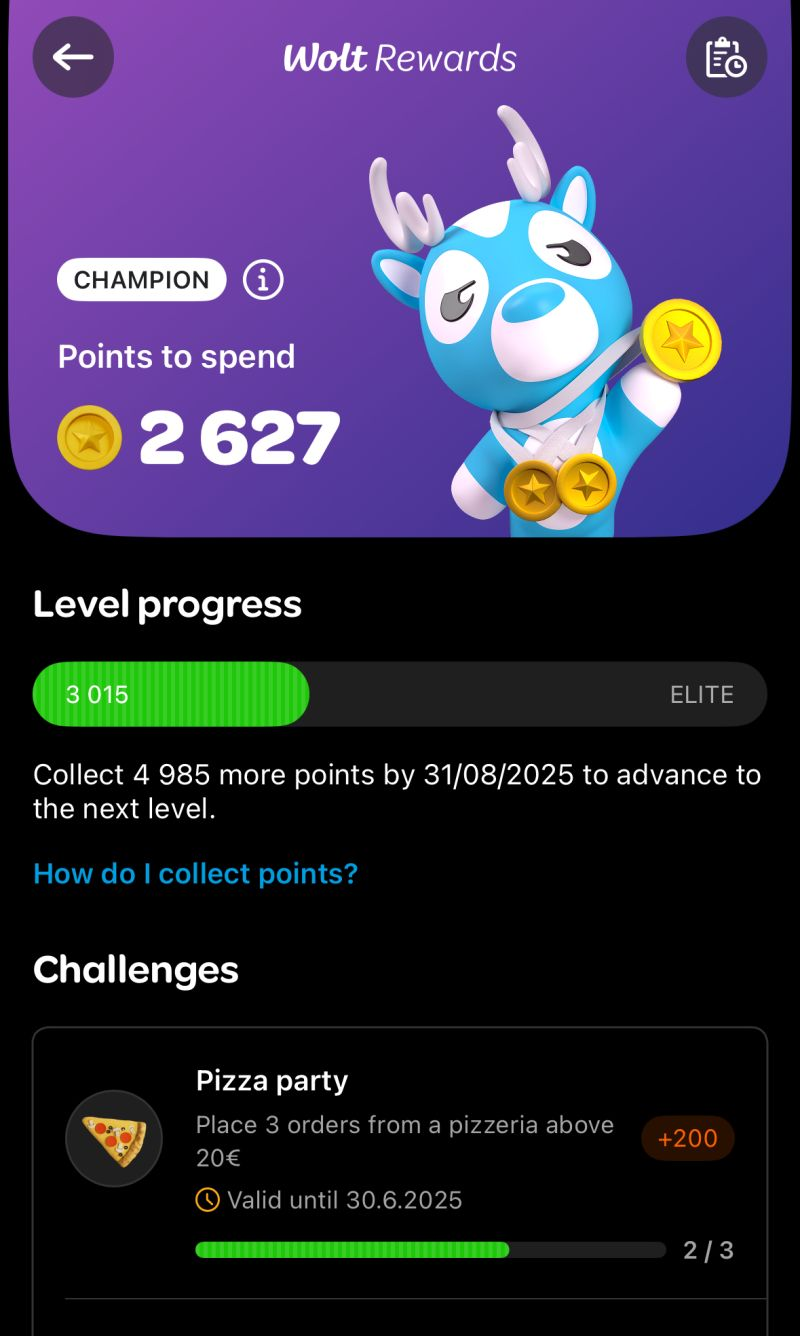
Variable-value systems work by making a gap between what customers feel something is worth and what the business really spends. In these systems, customers use points to get many kinds of rewards. Working with partners can help give better rewards. This boosts how people feel about the program and helps it stand out.
Each reward does not cost the same for the business. A customer may feel two rewards are equal, but it may cost the business much less to give one instead of the other. This gap lets loyalty programs give more value. But, making a good program still takes time and clear rules.
To understand loyalty points economics, you need to check two things. First, think about how customers feel about what they get. Then, see what it costs the business. These are the two main questions. Most of the time, what customers feel and what a business pays are not equal. The gap between these is what shows if the program will work for the business.
Keeping up with loyalty efforts like checking performance and looking at ROI is very important. This helps loyalty points give the most value possible for the business.
Giving out points does not take money right then. But there will be a cost in the future. The real cost of points shows up when people use them, not when you hand them out. This time gap in the way this kind of program is made can often make people feel too hopeful at the start, especially if they are starting a new program.
Groups can sometimes look at performance numbers that show fast results. They may not see how quickly costs can go up. This matters a lot in programs like Sephora’s beauty insider. If more people use their rewards because the website is easier, messages get better, or the program goes on for a long time, then company costs can jump fast.
This money problem can feel big and happen all at once. To avoid this, it is important to set a good loyalty program budget, so costs are covered if more people use their rewards.
One good thing about the rewards program is that people feel like rewards are worth more than what they actually cost your business. A free product can feel like a big gift, even if it costs you less to offer.
A partner reward might feel valuable, but you may only pay a small part of the price you see in stores. Personalized marketing can make these rewards feel even more special by using customer data to create offers for your customers. This makes the rewards feel just right for each person and more special too.
Problems can start when a coffee shop gives rewards like discounts or money back that get more expensive as their value goes up. These rewards do not help the shop make more money. For every bit the customer gets, the shop has to pay that same amount. This makes it hard for them to save money or make a better profit.
Breakage is when customers get points but do not use them. Many rewards programs for loyal customers use breakage to help with their money. A lot of these programs also let people get in early to some special rewards. They give out points at a good rate. The companies do this because they think most people will not use all their points before the points are gone.
This approach is fragile.
Breakage is not always something you can keep track of or plan for. The way people act, how you set up UX design, how often you talk to your customers, and big trends in the world can all change it. When loyalty programs are new, breakage might seem high. As people use your program more and feel part of it, breakage often gets smaller. A buffer that was good in the first year might not be there by the third year.
If you build a loyalty program that counts on most people not using their rewards, you are hoping your customers no longer care. This may be fine for some time. But it will not work as a good, long-term plan.
Designing and putting in place a loyalty program takes good planning. You also need to know what your business wants to do. It helps to understand what your customers need.
First, you should decide what you want to get out of it. You might want to get people to buy more often, make each order bigger, or keep your customers coming back.
After you set your goals, pick the best reward setup. This could be points, levels of rewards, or special perks. The right system will get people to spend more and feel good about what you offer.
Segmentation is important for a good loyalty program. Not all people are the same, so you need to give the right rewards and messages to different groups of customers. This helps get more people to join and makes the program work better.
Connecting your loyalty program with your current systems, like your online store, CRM, and point-of-sale tools, helps give a smooth experience for both customers and your team.
Ongoing program management is important. You should often check key numbers, collect what customers have to say, and be quick to change your program when their choices or the market shifts. When you match your loyalty program with your business goals and keep it flexible, you can keep your customers loyal and get good results from your loyalty program investment.

A big mistake that many people make in loyalty strategy is to think that high activity means the plan is doing well. A lot of sign-ups, people logging in often, or users keeping many points may seem good.
But these things do not always show if the program is really making strong feelings or true value. To really know if a loyalty program is working, you should check loyalty program ROI and repeat purchase rates. These numbers give you a better way to see how much people come back and how good the program is.
To know if a loyalty program is working, groups need to do more than just look at simple numbers. They have to see if there is real growth or change because of the loyalty program. This means going deeper to see how much more people buy or act because of it.
A good way to see the value of the program is to look at both money things, like ROI and how often people buy again, and things about how into the program members are, such as what customers say and how they feel about coming back over time.
ROI is about getting more money for what you put in. A good loyalty program ROI is often connected to keeping customers coming back and making more money. A loyalty program works well when it gets people to do something new that brings in more profit. For example, it could help raise how much a customer spends each time. These changes would not happen by themselves.
To see how well the customer retention strategies program works, you should check what the program brings in by itself. This means you should not look only at how much money comes from loyalty members. Many of these people would buy things even without the program. You need to find out what extra comes from the program and not count what would happen without it.
If you don't have a starting point, the numbers on ROI can look better than they really are and not show the real story. Looking at the data should mean you compare what customers do before and after they join the program.
It also helps to check loyalty program members and see how they do when you put them next to people who are not members. Most of the time, people in a loyalty program spend more and stay with you longer than people who are not members. So, it's important to track these groups and the way they act to see how good the program is.
This way of thinking often shows some hard truths about customer relationships. In many cases, loyalty programs give rewards to people who already stick with the brand. They do not do much to change how customers at risk feel or act. Because of this, points often end up being just a cost for keeping people, not something that helps the business grow.
Gross ROI tells you how much money you get from people who are in the loyalty group. Incremental ROI shows how much more money the loyalty system brings. Incremental ROI should also include any savings from getting new customers for less and show what your marketing does over time.
You should make smart choices based only on real extra returns you get for your money. If you use other numbers, you might see loyalty as just a cost. This would not be a good way to measure how smart your investment is.
Measuring how well your loyalty program works is more than looking at how many people sign up or how many points you give out. An ROI calculator helps you know if your loyalty program is really worth it. To figure out the ROI for your program, you should start by finding key numbers like extra money brought in by loyalty members, changes in how much people usually spend in one order, and if your program keeps more customers coming back.
Put these numbers into your ROI calculator. Add your program costs, like rewards, tech, and admin fees. The calculator will help you see how much money your program brings in compared to what it costs. You will then have a clear view of your return on investment. This makes it easy to see which parts of your program are giving good ROI and where you might need to make changes.
Checking the loyalty program ROI often helps you see if your program is still a good part of your growth plan. This helps you use data to make better choices and keep your customers happy for many years.
Many of the biggest costs for loyalty programs are not just about handing out rewards. A lot of the cost happens because points can make things harder with the people, tools, and how the program runs every day.
It is good to know about costs that come from things like management, tools, following laws, and helping customers. You need to balance these with keeping customers happy so the program will still make money and do well.
Modern loyalty programs are now a big part of what we use in our daily life. They link with social media, point-of-sale systems, e-commerce platforms, systems for customer information, and money systems. Each time you add one of these, it takes more work for people to build, test, and keep things working right.
When you start your programs in more places or use more channels, things can get more tangled. This often happens quicker than you see new money coming in. A plan that started out easy can change and turn into many pieces that lean on each other. It is hard to make changes to this system without some risk.
Points-based programs give ongoing work for many teams. The customer support team gets questions when points go missing or if customers cannot use their points. They work to keep the loyalty program's ROI high.
The finance team makes sure balances and what is owed stay up to date. The marketing team looks after exceptions, runs campaigns, and keeps up with rule changes in the loyalty program. Ongoing marketing work is important. It helps keep customers involved and makes sure the loyalty points program works well for a long time.
These costs do not always appear in the first ROI models. But over time, the costs add up. If you do not count the costs, you might think the results will be better than they really are. In the end, this means people do not spend enough on governance.
When companies give out too many points, people feel that the points are not as special. This happens in many customer loyalty programs. People feel that they need more and more points to feel happy with the rewards. So, companies give points faster or they run extra deals. This makes points lose value, kind of like how money can lose value if too much is given out.
If there is no way to manage how points are given or taken back, the number of points can get too high. This can make the company get less money. People also start to feel less sure about the brand. The rewards do not feel as special, even when they are harder to give out.
Any system where people keep and move value can be used in the wrong way. This is true for loyalty points too. People can cheat in different ways, like if someone gets hold of your login or uses small gaps in the promos to get more than they should.
When one case happens, it might feel small. But if there are many cases, that can turn into a big problem. A bigger issue is that fraud can make people lose trust in the program. It also makes it cost more to keep an eye on things and make sure they are right.
Even when people mean well, a loyalty program can still miss the mark if you do not avoid some common mistakes. A big mistake is thinking too many points will not be used. Many believe most points will not be redeemed and count on this happening. If you think this way, you might not put enough money in your program. This can give you surprise costs later on.
Another problem is not splitting your customer base into groups. When you treat all your customers the same, you may lose chances to talk to your best customers or help those who may stop buying. It's also hard to see if your program works well if you do not look at the right numbers, like more money made or how many customers come back. This can make it tough to know the real value and results of what you do.
Many businesses do not see how much they spend over time. This includes money for things like new tech, managing programs, and helping customers. If a business forgets about these costs, it can lose money and make it hard to keep the program going for a long time. Also, if you do not listen to what your customers say or do nothing about their feedback, people may stop using your program. Then, you miss the chance to give people a better experience.
If you see and fix these common mistakes, you can make your loyalty program strong. It will also have a better chance to do well.
Loyalty points can be a good way to get more customers if you use them in the right way. When they match your business goals, they can help keep customers coming back and bring in new people. This comes from getting people to buy again and getting them to talk about you. You need to know when loyalty points fit your business plan. There can be some risks. But if you use loyalty points at the right time, they can help your business a lot.
Points work well in places where people shop a lot and where stores make good money. They also help when shoppers spend very different amounts through the year. In these cases, points can change how people buy things. They can help people shop from more than one type of product. Points also help keep the best shoppers coming back.
They do not work as well in areas where sales happen less often or where profits are small. In these cases, the rewards take up most of the money made. Here, other ways to make people stay with the brand can be better. Some good options are tiered benefits, special rewards for the way people feel, or paid loyalty models. These ways often help the business get more money and are not as hard to run.
To make your loyalty program work better, focus on strategies that drive both customer engagement and business results.
Personalization is very important. Use what you know about your customers to make rewards, messages, and deals they like based on what they do. Check how well your program is working often. Look at key numbers like how many customers stay, how much people spend on average, and extra money you get from the program.
Ask customers for their feedback and use it to improve your program. This will help keep it up-to-date and something people want. Keep customers coming back by offering a mix of rewards, special perks, and chances to get new products or top services before others. Think about using different levels of rewards, so customers feel motivated to get more involved and spend more with you.
Stay open to change. Be willing to adjust your program when you see changes in how people act or in the market. When you follow these best practices, you can build a loyalty program that brings you more value. It will also help people feel close to your brand. Over time, it can turn them into true fans of your work. A good program supports your plan for growth and helps your business do well for many years.
The main thing that helps a loyalty program work well or not now is the system behind it. New loyalty platforms see points as part of a real setup. They are not just a small tool for marketing anymore.
Modern platforms let you set your own rules for earning and using rewards. This helps you see the real profit that you make. The tools show how your costs change over time. You can also make special offers that feel good to people while still matching what you pay. With these platforms, you can try new things with a few people before you show them to everyone.
This kind of control makes loyalty work in a better way. You can change and adjust it when things change. Modern loyalty platforms help you get the most from your loyalty programs because they give you better data and tools. These tools make it easier to follow your results, build strong bonds with your customers, and get more people talking about your brand. You don't have to keep old ways if they do not work anymore.
1. Are loyalty points really a liability for businesses?
Yes. From a financial perspective, every issued point represents a future obligation to deliver value (discount, product, service, or partner reward). Until redeemed or expired, points sit as a deferred cost that must be modeled, tracked, and governed carefully.
2. How do you calculate ROI for a loyalty points program?
True ROI should measure incremental impact: the additional revenue, retention, or margin generated because of the program. It must subtract reward costs, operational expenses, technology costs, and liability exposure, not just compare member revenue to program spend.
3. What is the difference between gross ROI and incremental ROI?
Gross ROI looks at total revenue from loyalty members. Incremental ROI isolates the revenue or behavior change that would not have happened without the program. Strategic decisions should rely on incremental ROI, not gross figures.
4. What is breakage and why is it risky to rely on it?
Breakage refers to points that are issued but never redeemed. While it can temporarily reduce program costs, relying on high breakage creates fragile economics. As engagement improves, redemption rates often rise, increasing costs unexpectedly.
5. What are the hidden costs of a loyalty points program?
Beyond rewards, hidden costs include technology integration, data infrastructure, accounting, legal compliance, customer support, fraud monitoring, reporting, and ongoing program management. These costs significantly affect total program profitability.
6. Are fixed-value or variable-value points better?
Fixed-value systems are predictable and easier to model financially but offer limited optimization. Variable-value systems provide more flexibility and margin control but require stronger governance, analytics, and reward design discipline.
7. When do loyalty points make the most economic sense?
They work best in high-frequency, high-margin industries where customer lifetime value varies significantly and behavior can be influenced over time. In low-margin or low-frequency models, points can erode profitability.
8. Can loyalty programs increase Customer Lifetime Value (CLV)?
Yes—but only if they drive measurable behavior changes such as increased purchase frequency, higher average order value, or reduced churn. CLV improvement must be tied to incremental effects, not just member participation.
9. How do loyalty programs affect cash flow?
Points often delay cost recognition. While revenue is collected immediately, reward costs may occur months or years later. Poor forecasting of redemption patterns can create sudden margin pressure.
10. How can modern loyalty platforms improve points economics?
Advanced platforms allow real-time liability tracking, margin-aware earn-and-burn rules, predictive segmentation, automation, and controlled experimentation. This enables businesses to manage risk, optimize rewards, and protect profitability while maintaining strong customer engagement.

API-first loyalty and gamification engine

Get a weekly dose of actionable tips on how to build and grow gamified successful loyalty programs!