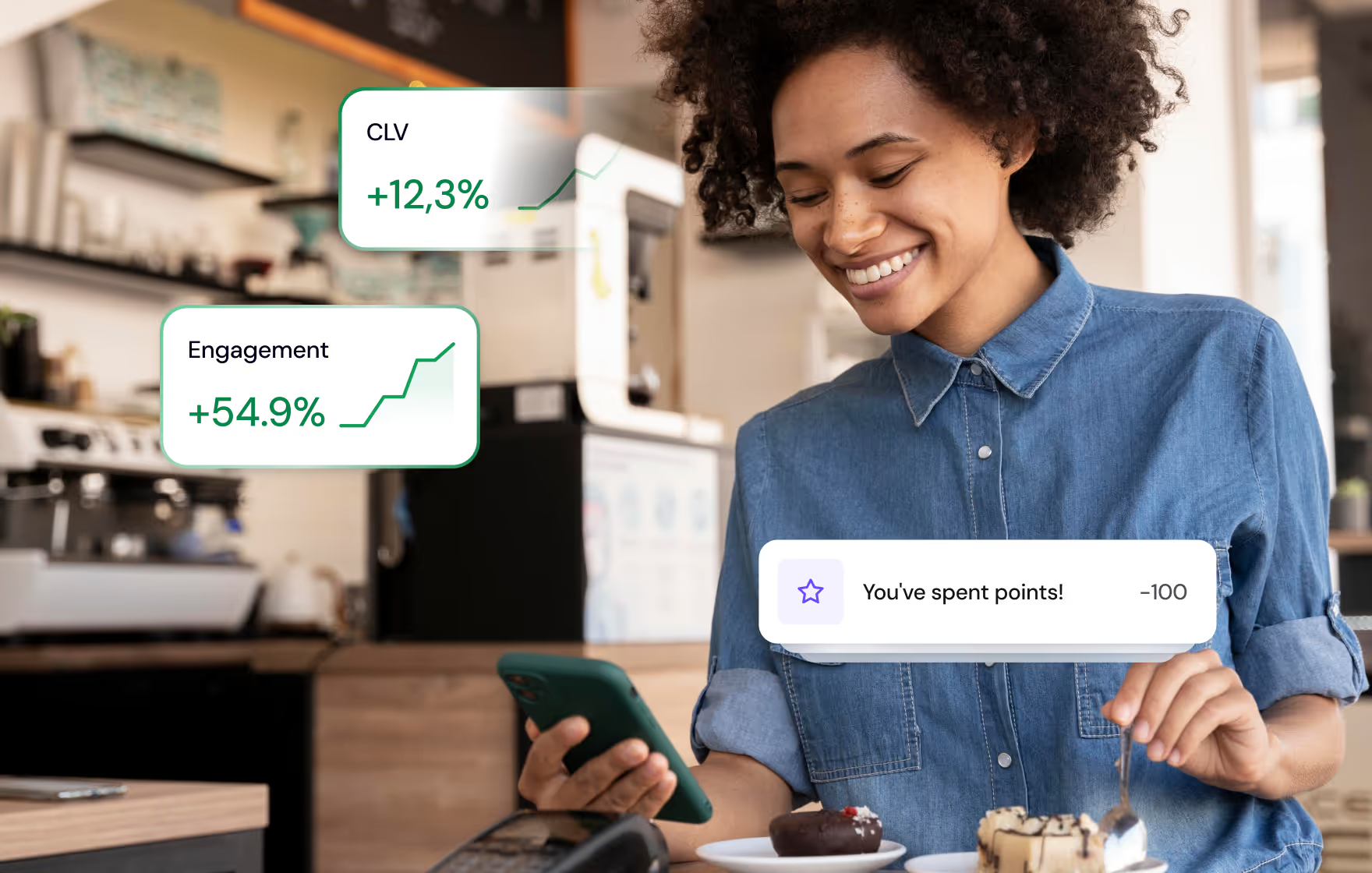
A loyalty program in quick service might have meant a punch card and a free drink after ten visits. Right now, it's a full system. Teams are running campaigns that adjust in real time, pulling from customer behavior across app, web, and in-store orders. They're tracking how often guests return, what they're spending, and what keeps them from dropping off.
The pressure has changed, too. Loyalty now has to show numbers, namely repeat visits, spend growth, customer lifetime value. And the software has to keep up. It needs to fit how your restaurant actually works, from your POS to your app to your campaign strategy.
The guide below looks at 10+ loyalty platforms used by QSR brands in 2026. It breaks down how they handle integrations, data, personalization, and performance, so that you can find the setup that matches your operational efficiency.

QSR loyalty software is a category of digital tools built to manage customer rewards programs within quick-service restaurants. These platforms automate how customers earn and redeem points, unlock offers, and move through tiers based on actions like spending, visit frequency, or specific menu choices.
Unlike basic punch cards or one-off promotions, loyalty software connects with core restaurant systems: POS terminals, mobile apps, online ordering platforms, and CRM databases. The mentioned connection allows restaurants to issue rewards instantly, personalize campaigns, and keep program data consistent across channels.
The software is used to support repeat visits, increase average order value, and monitor how loyalty activity impacts guest behavior over time. For brands operating across multiple locations, it also helps standardize how loyalty is delivered while allowing room for local variation.
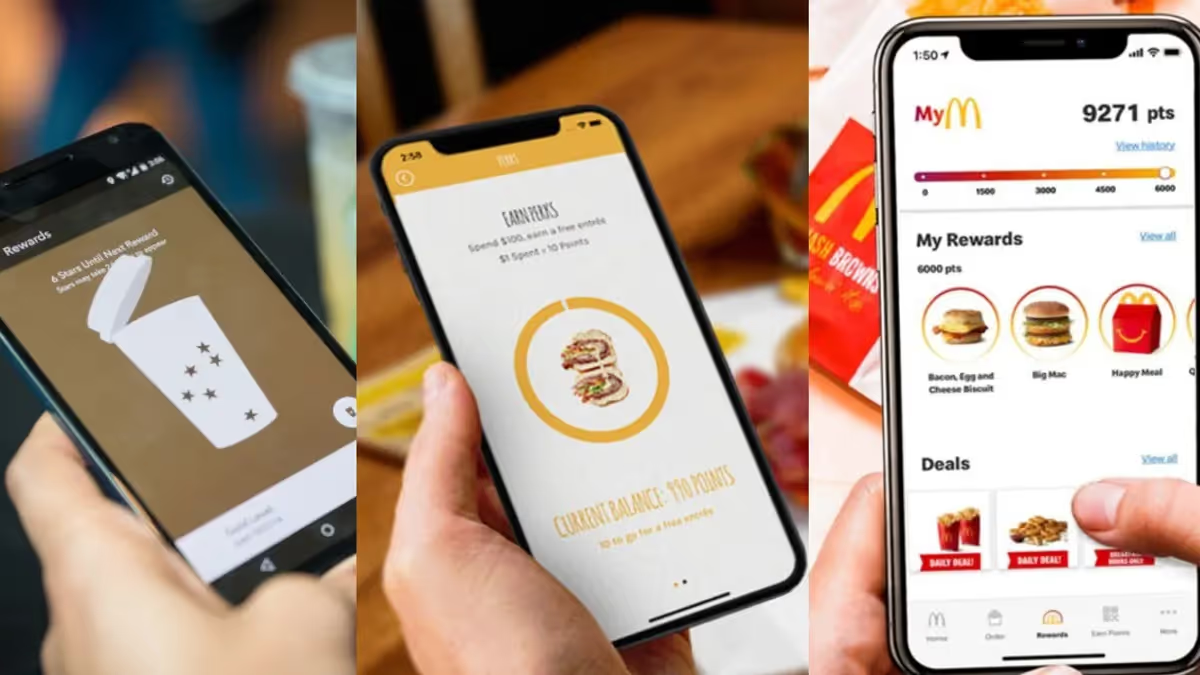
QSR loyalty software is built for fast-paced operations, where orders come in across kiosks, apps, and counters, and rewards need to work. The right features support how quick-service brands serve guests, manage data, and scale campaigns across locations.
The list below outlines the capabilities loyalty teams focus on when shaping programs around customer behavior, visit patterns, and in-store or digital interactions.
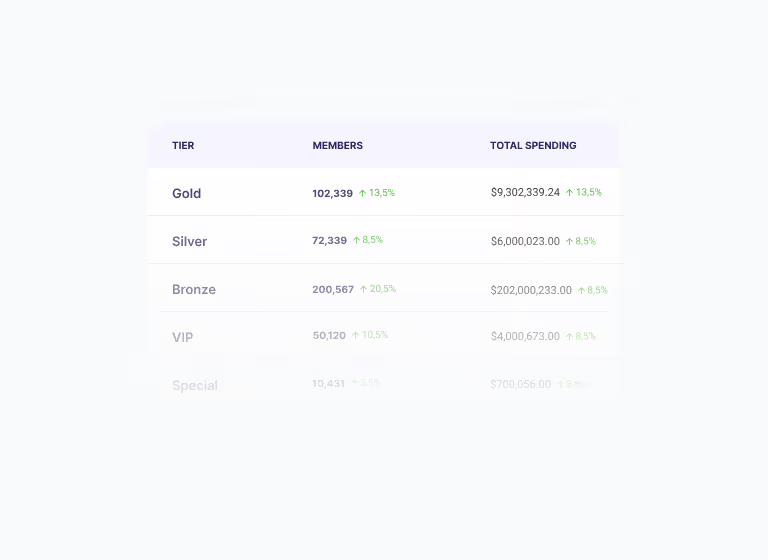
Points remain a standard in QSR loyalty programs. Focus on platforms that offer more flexible rules tied to visit frequency, specific items, or ordering channels. Also, tiers help structure ongoing participation. Guests move through levels based on activity like repeat visits or total spend, unlocking new rewards along the way.
Certain platforms support both points and tiers in parallel. Solutions like Open Loyalty allow teams to define how rewards are earned, tracked, and triggered. The platform's tier setup gives the option to base progression on points, behaviors, or manual assignment, which is useful when designing around different customer patterns.
Remember that redemption should happen on the fly. Loyalty program members expect rewards to apply instantly: at the counter, through a kiosk, or during mobile checkout. When the system responds in real time, the process feels smooth for both guests and staff.
Some setups handle this natively through direct integrations with ordering and payment systems. Others rely on APIs or custom workflows to sync rewards across channels. For example, Open Loyalty supports this approach with API-based reward logic that can be embedded into the exact touchpoints your team uses.
💡 Redemption performance often signals how well the program is working. Read the redemption rate guide to understand what guests respond to, and where adjustments might be needed.
Loyalty features need to show up where customers already place orders, so inside mobile apps, through web portals, and across email or SMS campaigns. Checking points, unlocking rewards, and redeeming offers should feel like a natural part of the digital experience.
Look for platforms that come with built-in tools for these touchpoints, while others offer APIs or SDKs that allow teams to bring loyalty into their own interfaces. The goal is to keep the program visible and usable with no extra steps or separate logins. Programs tend to perform better when customers can interact while staying in the channel they're already using.
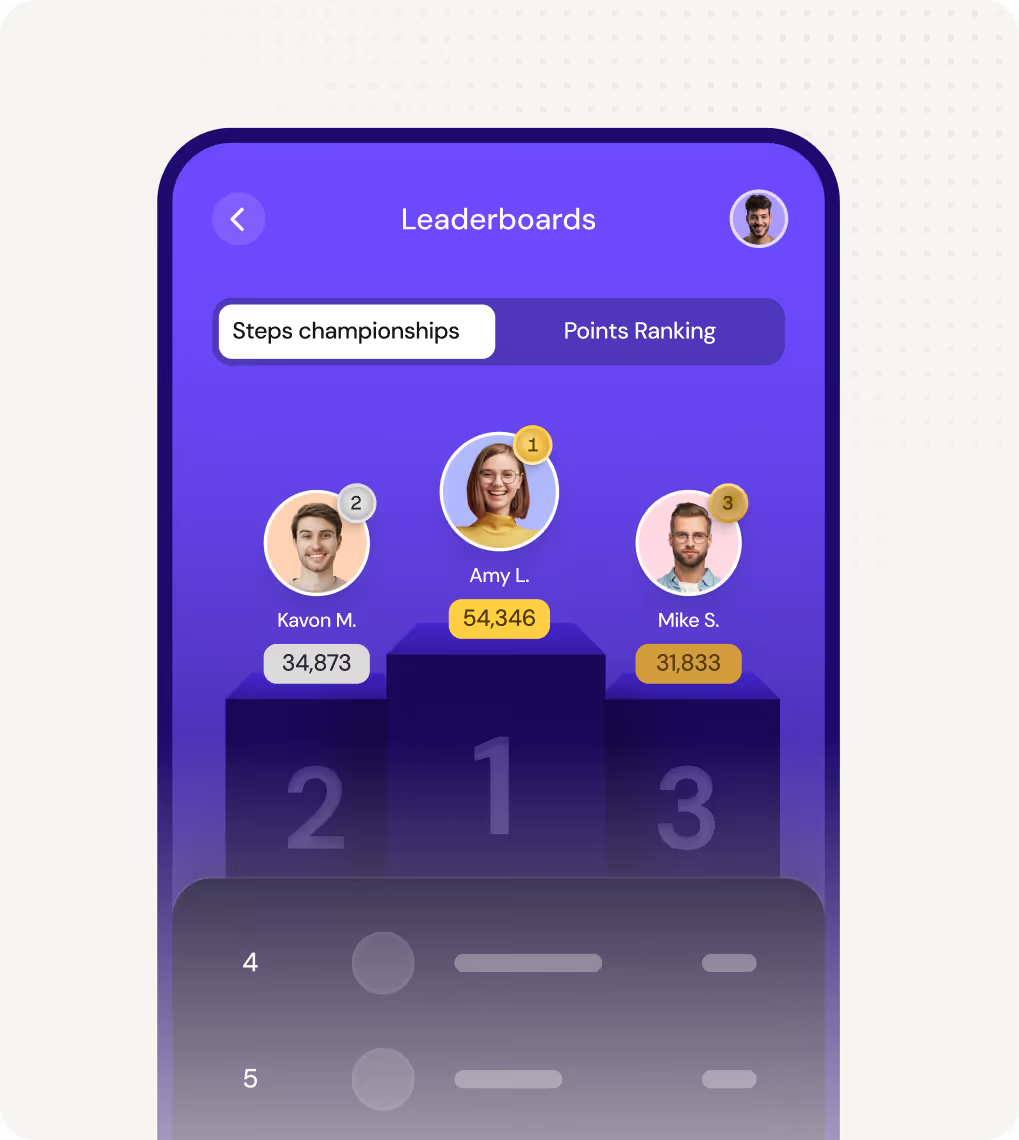
Loyalty teams often need to respond to patterns: guests who haven't visited in weeks, carts left incomplete, or upcoming birthdays. Trigger-based campaigns help automate these touchpoints and reduce the need for constant manual effort.
Search for platforms that support these flows out of the box, while others provide tools to define custom triggers, conditions, and actions. Platforms like Open Loyalty offer rule-based campaign builders that don't require coding, making it easier to launch offers tied to real behavior.
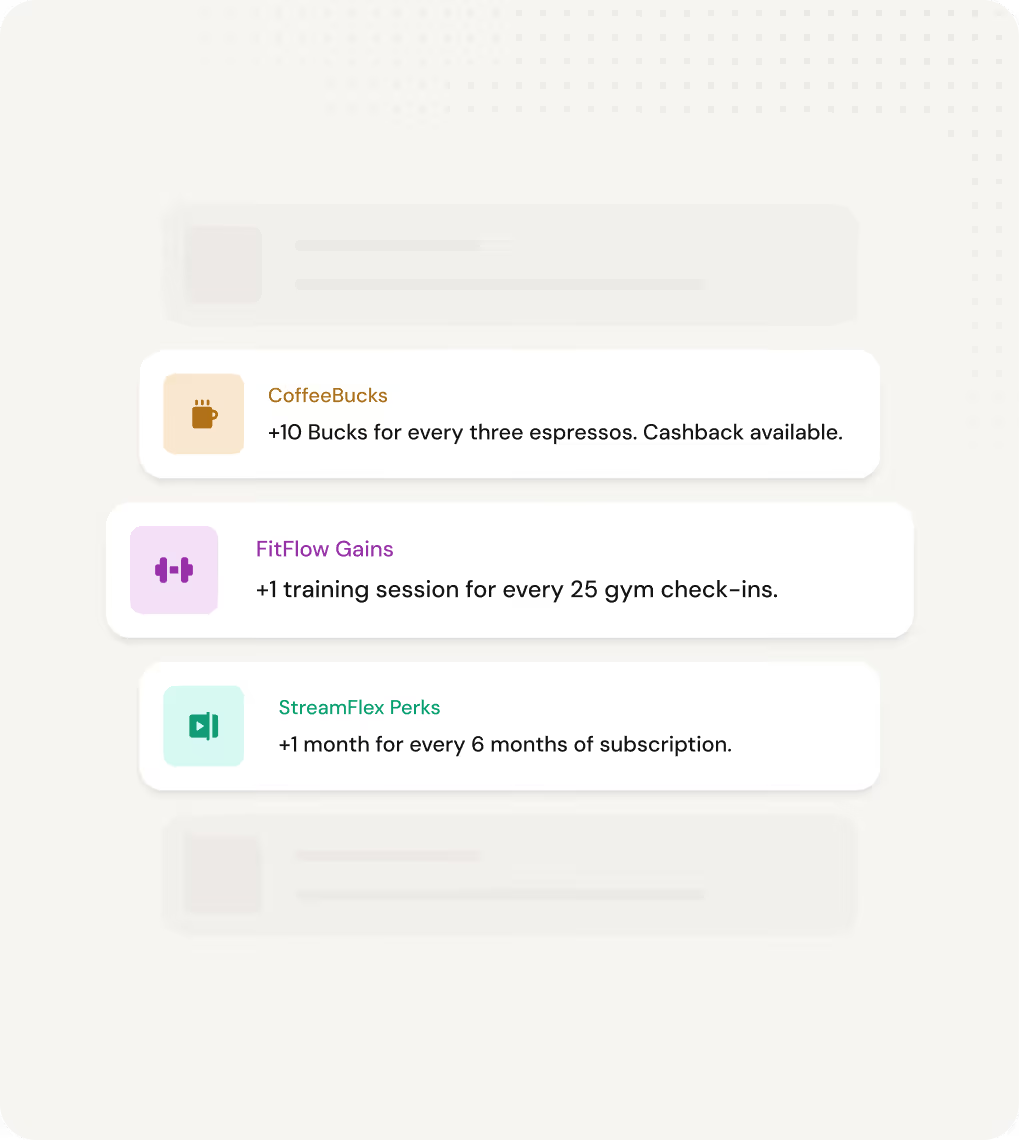
Segmentation helps loyalty teams group customers based on how they interact with the brand: what they buy, how often they visit, where they order, and how much they typically spend. These audience filters can support more focused campaigns and reduce over-messaging.
Filters based on visit frequency, preferred channels, or past response rates help reduce noise and improve relevance. When these segments are tied to live data, teams can adjust in real time. Platforms like Open Loyalty bring segmentation and analytics into one view, so teams can build audiences and track behavior using current data, not static lists.
💡 For teams building a more structured approach, this guide to loyalty segmentation offers a breakdown of common models and how to apply them.
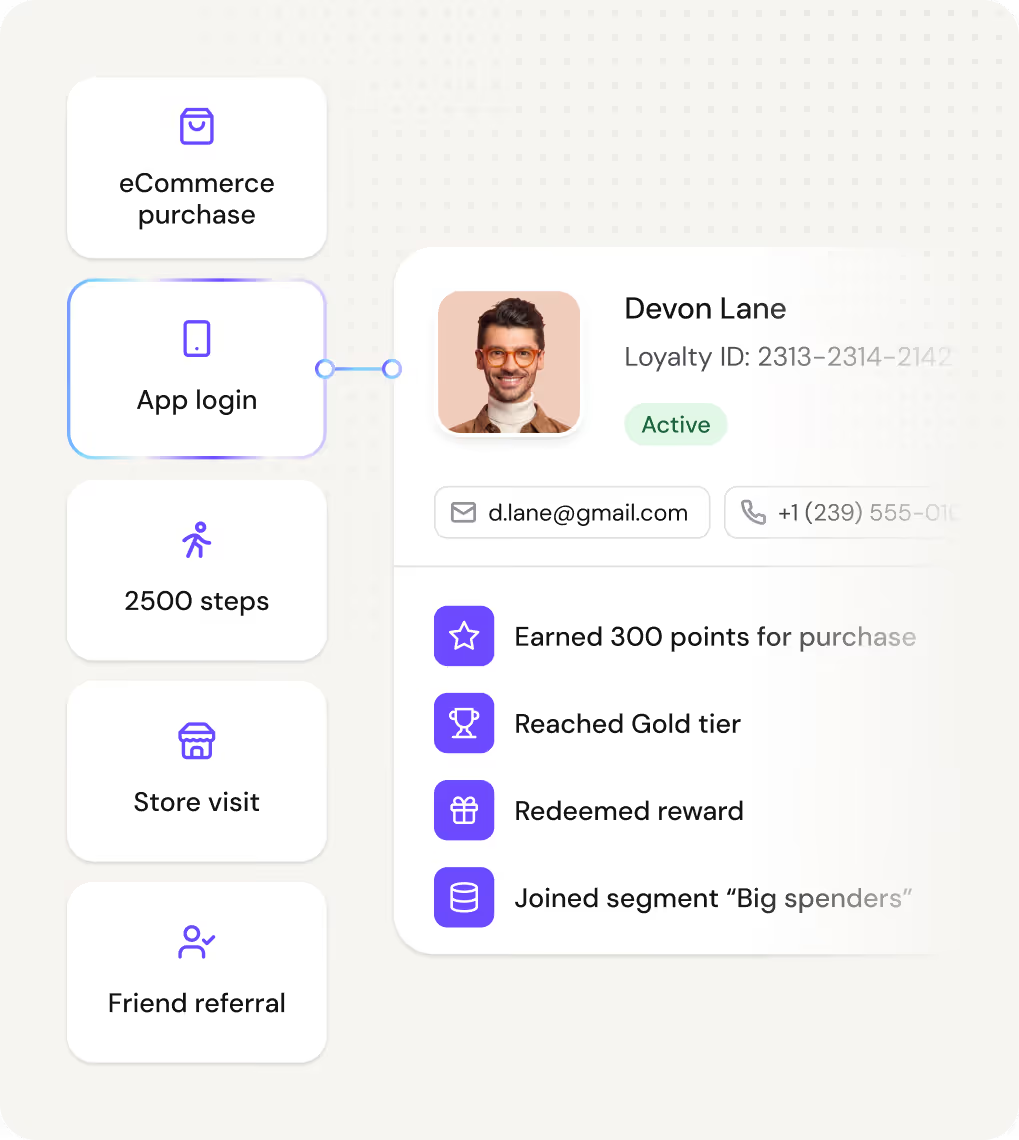
Points and discounts can drive visits, but engagement often drops when loyalty feels repetitive. Adding game mechanics (well-known badges, streaks, spin-to-win offers, or milestone challenges) helps keep things fresh and gives customers more reasons to check in even when they're not ready to place an order.
Many QSR teams are now experimenting with these mechanics to encourage actions beyond transactions: trying a new item, returning within a time window, or hitting a visit streak.
QSR teams use these tools to prompt specific actions, like trying a new item, returning within a set window, or building a visit streak. Open Loyalty's gamification module allows teams to build and adjust challenges based on real behavior.
💡 For ideas on how leading brands use these features, the 10 best gamification loyalty programs article offers examples from across the industry.
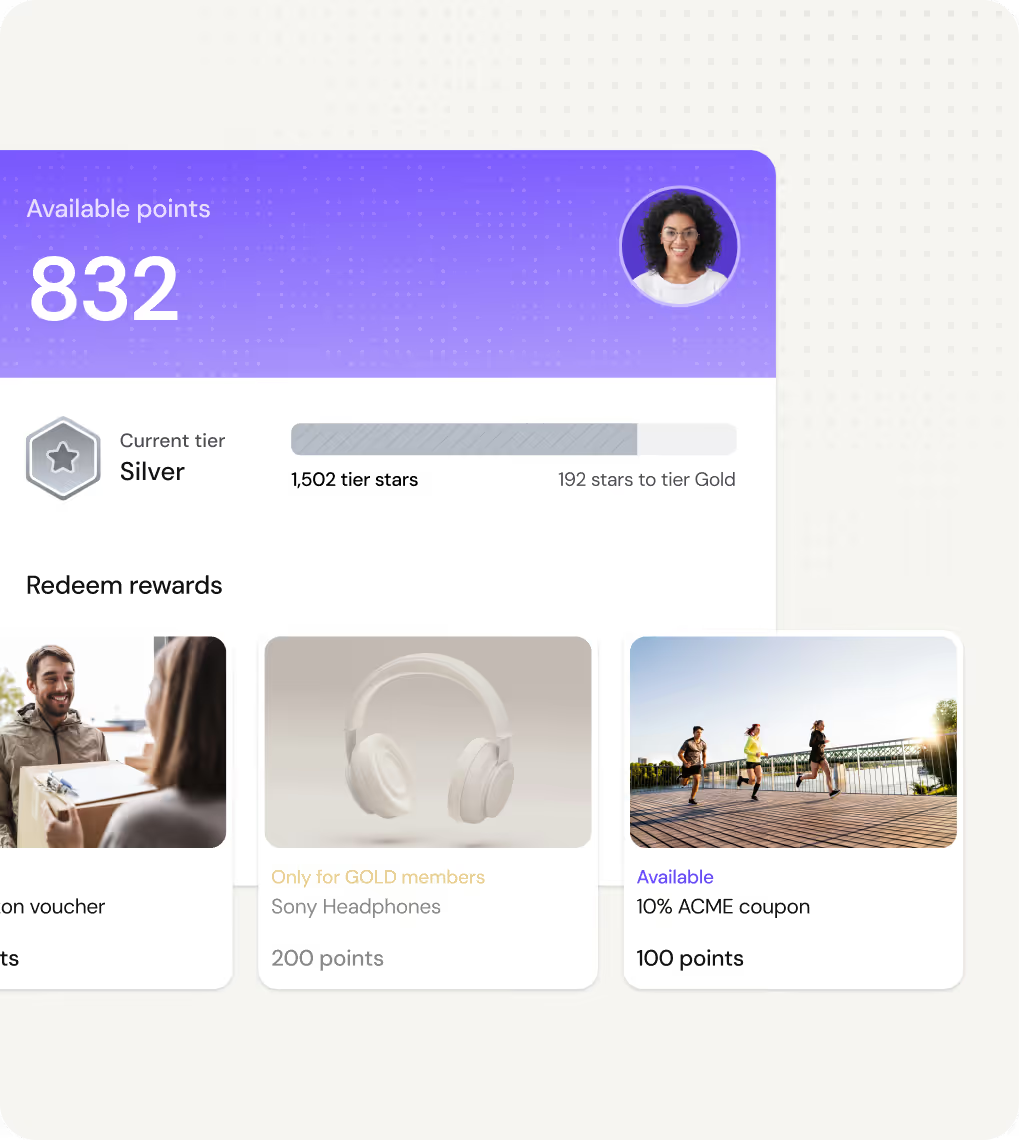
Loyalty teams need access to metrics that reflect real impact, so redemption rates, repeat visit patterns, customer lifetime value (CLV), and how campaigns influence guest behavior over time.
Instead of focusing only on signups or coupon redemptions, stronger programs track how loyalty connects to revenue and customer retention. That means looking at how different segments behave, how often rewards are used, and which loyalty incentives actually drive return visits.
Open Loyalty offers built-in analytics for segmentation, performance trends, and real-time ROI views. These dashboards help teams refine strategy and show the business value of loyalty.
💡 For a deeper breakdown of which metrics matter most, the loyalty program metrics guide offers a practical framework for measuring program health and impact.
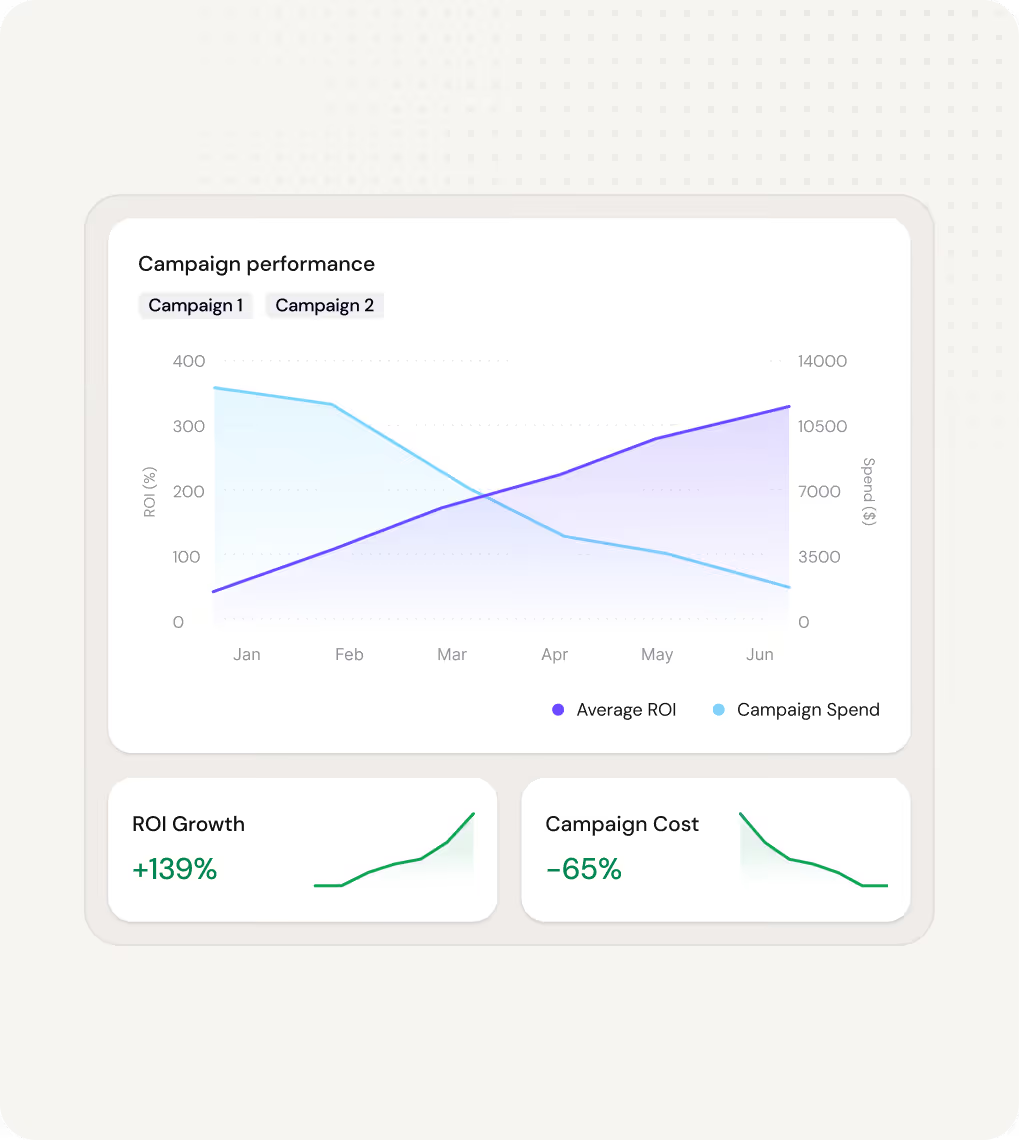
For loyalty programs to work properly, they need to connect with the systems already in use, such as POS terminals, ordering tools, payment gateways, and CRM platforms. When those links are in place, rewards can be applied without delays, and customer data stays consistent across channels. Some systems rely on prebuilt integrations. Others offer API access and webhooks, giving technical teams more control over how loyalty fits into the larger stack.
Open Loyalty's API approach supports this kind of modular build, so loyalty logic can be embedded directly into apps, checkout flows, or even kiosks. That level of access matters most when scaling across locations or experimenting with new touchpoints. A loyalty program that adapts to your setup, not the other way around, tends to hold up longer as operations evolve.
🎥 For teams exploring what this setup looks like in practice, the loyalty software integrations webinar breaks down real integration models used by growing companies.
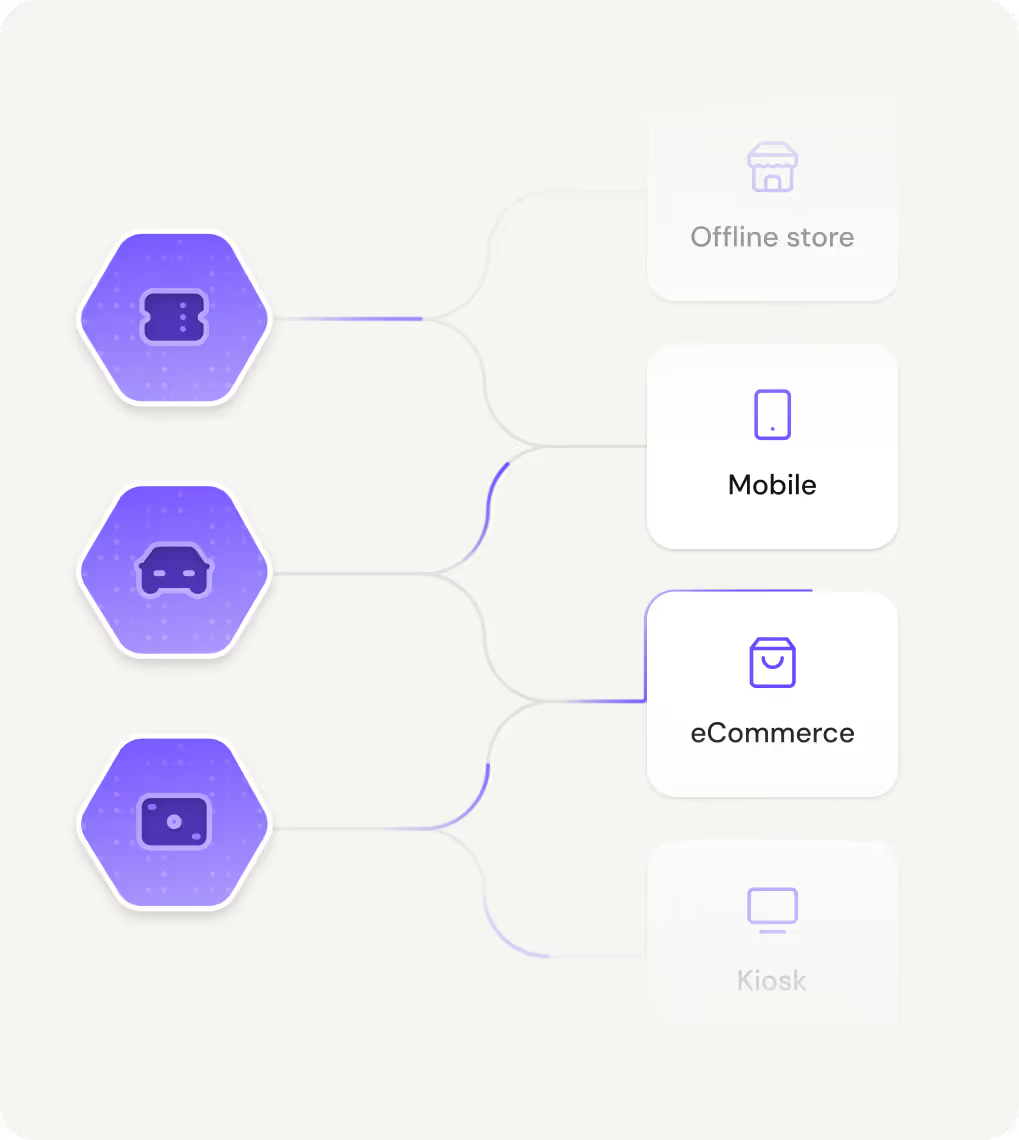
Take a look at a side-by-side comparison of the leading QSR loyalty software platforms. Get a quick snapshot of how each solution stacks up in terms of standout features, pricing approach, integration options, and ideal use cases so that you can filter fast and focus only on the ones that fit your business.
Scan your options before diving into the detailed platform breakdowns below.
Once you've narrowed down your options, take a closer look at what each platform actually delivers. While many QSR loyalty systems offer points, tiers, and redemptions, the real differences come down to how flexible, scalable, and actionable the platform is in a live restaurant setting.
In this section, you can find an analysis of individual leading loyalty software providers. You'll find detailed information about features, integrations, pricing models, and who each platform is best suited for.
Use this deep dive below to match real capabilities with your program goals.
Open Loyalty is a composable loyalty engine designed for enterprise QSR brands operating across multiple systems and channels. Built with an API-first architecture, it gives loyalty teams the tools to deliver custom, gamified experiences across mobile, web, and in-store touchpoints.
The platform supports advanced mechanics such as points, tiers, achievements, referrals, and interactive rewards, including spin-to-win and progress bars. These mechanics allow teams to shape campaigns around behaviors that matter, namely repeat visits, new product trials, or time-based challenges.
Open Loyalty is built for QSR environments with complex integrations. It connects with POS systems, apps, ordering platforms, and customer databases, giving brands full control over reward logic, campaign design, and data visibility. Loyalty teams can start small and expand over time, using only the modules they need.
Analytics are integrated into the platform, with real-time tracking of reward redemptions, average spending, and more . Teams can monitor how different campaigns are performing and make adjustments based on what's working.
Open Loyalty is used by restaurant groups, fast-casual chains, and global brands that need loyalty software flexible enough to support regional variation, tech stack differences, and evolving campaign strategies.
Open Loyalty clients appreciate the loyalty platform and its QSR capabilities, saying:
👉 Read more opinions on Open Loyalty on G2 or Capterra.
Punchh is a loyalty tool used mainly by large restaurant chains. It covers mobile, web, and in-store participation and includes some standard features like behavioral segmentation and digital offers.
The product is often bundled with other software from its parent company, PAR Technology, which can make deployment easier if the rest of your tech stack is already aligned. That said, the setup process may be considered heavy, and making adjustments typically requires contacting support. For brands already within the PAR ecosystem, the platform can keep things consistent. Otherwise, it feels a bit rigid for teams looking to customize or integrate more freely with other tools.
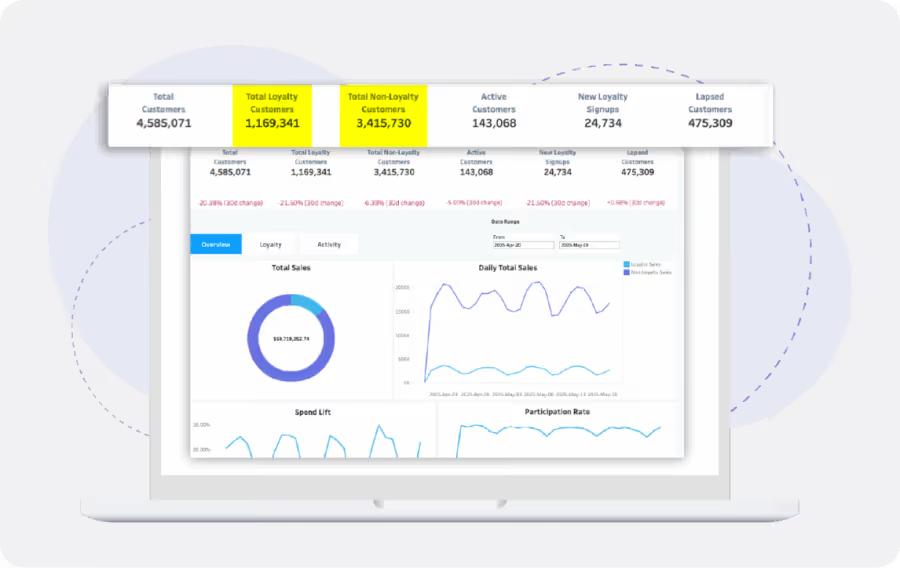
Paytronix is a loyalty and marketing platform commonly used by mid-sized and larger restaurant industry groups. It offers a range of standard program types along with basic tools for sending emails or texts based on customer behavior.
The system combines loyalty with marketing features and guest feedback collection, though the interface can feel dense. Campaigns can be segmented, and some predictive features help estimate customer behavior.
However, tapping into more advanced functionality usually requires time, planning, and in some cases, outside help. For restaurants already using other Paytronix tools, the platform may feel familiar.
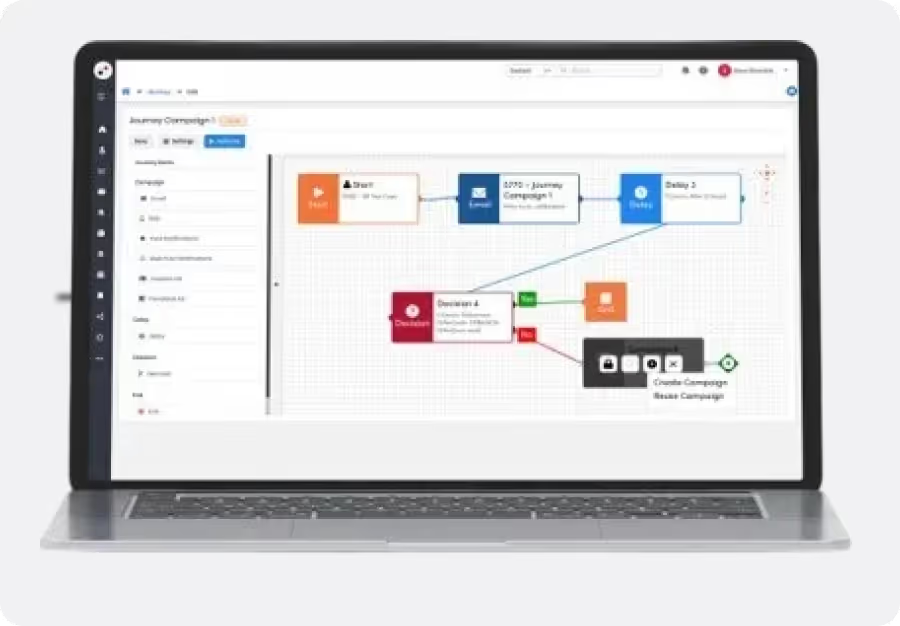
Square Loyalty is a simple loyalty add-on for restaurants already using their POS. It's easy to turn on, and most setups can be done directly from the dashboard.
The platform uses a pay-per-use pricing model, which can work well for small QSRs that want to test loyalty without committing to long-term contracts. Customers earn points automatically, typically one point per dollar spent, and rewards are applied at checkout. The system is straightforward, but for businesses planning to expand or introduce more complex loyalty tactics, the tool may feel restrictive over time.
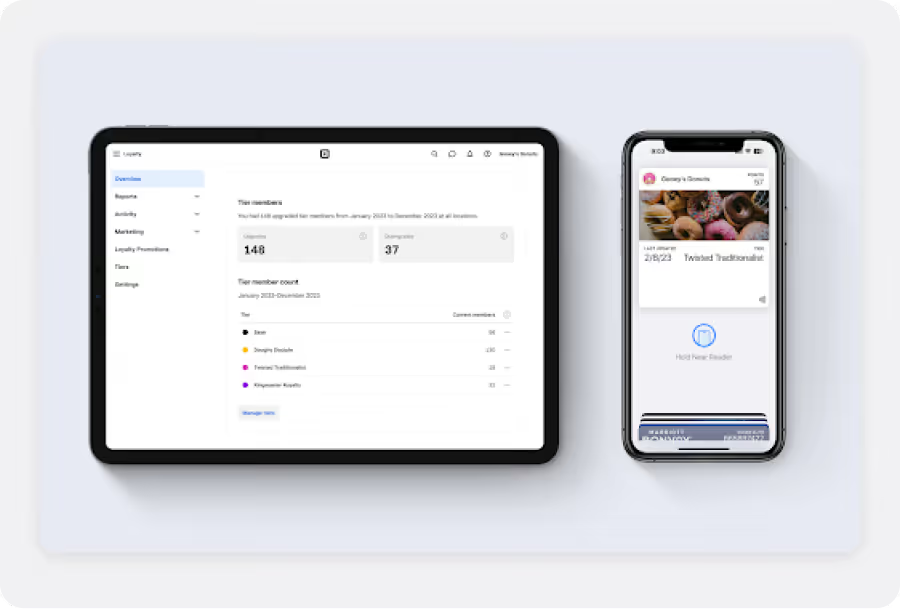
Toast Loyalty is a loyalty add-on built for restaurants using the their POS system. It allows customers to enroll and redeem rewards at the counter, through kiosks, or while ordering online, with all activity syncing automatically through Toast's platform.
The software supports straightforward reward options such as dollars-back, free items, or BOGO offers. Basic email and SMS tools are also included, giving operators a way to send promotions and reminders.
Because it's integrated directly into Toast's ecosystem, the experience is streamlined, but also relatively fixed. Brands looking for more control over loyalty design, deeper analytics, or features like gamification may eventually need something more customizable.
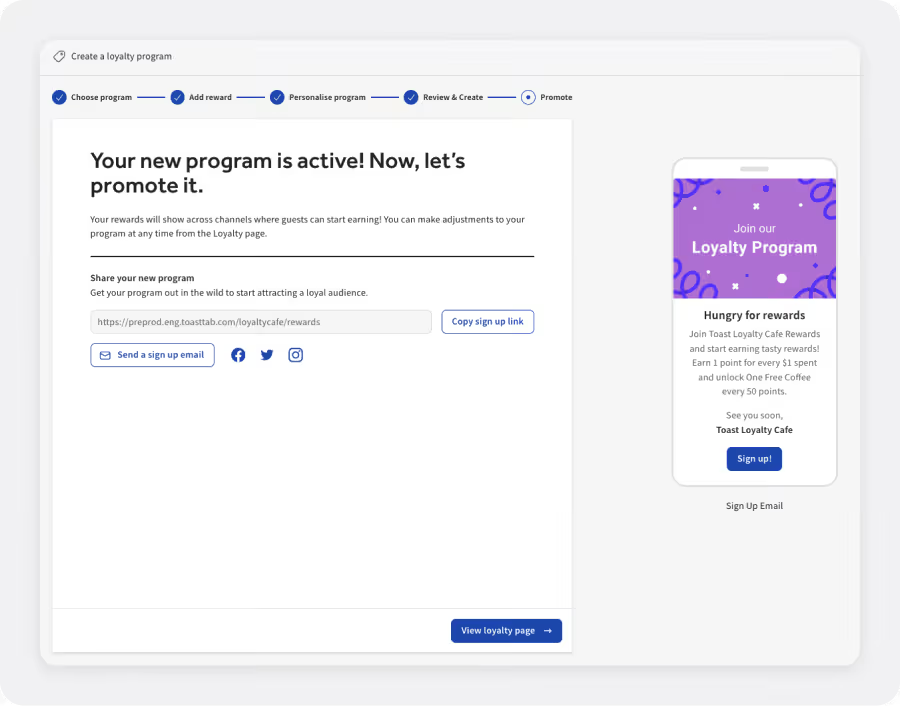
SessionM is a loyalty platform aimed at large restaurant groups and enterprise QSRs with complex data environments. Now part of Mastercard's Engagement Cloud, the system pulls customer data from different sources to support real-time profile building and triggered rewards.
The software allows brands to deliver offers based on behavior, such as spend thresholds or visit frequency. It also connects with Mastercard's broader set of marketing tools, which can be useful for brands already aligned with that ecosystem.
SessionM is designed for teams with internal resources or agency support. It offers scale and depth, but that comes with longer implementation cycles and ongoing technical requirements.
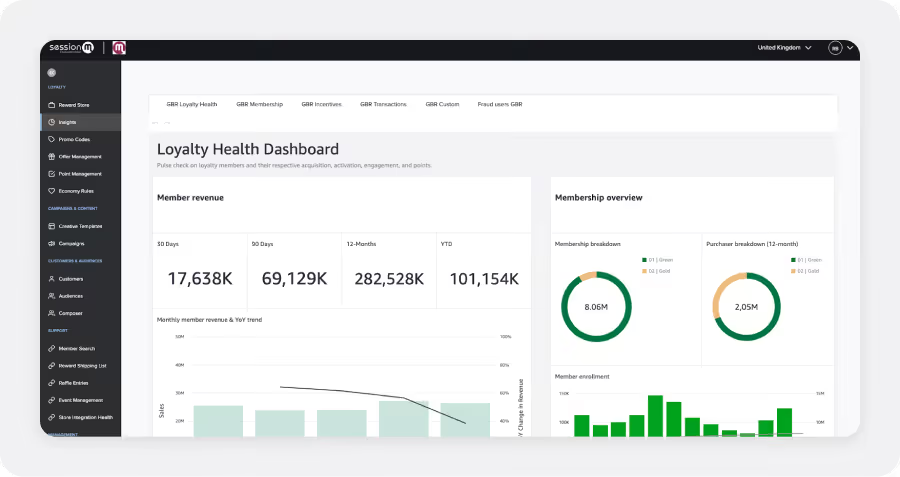
Thanx is a loyalty system centered around card-linked rewards, allowing customers to earn points automatically when they pay with a registered credit or debit card. Such a simplified setup is one of its main selling points for restaurants that want a fast and low-touch rollout.
The platform includes basic tools for email and SMS outreach and offers a built-in feedback feature to gather customer sentiment after purchases. It's used by mid-sized or regional QSRs looking to get a loyalty program live.
That said, the structure is fairly fixed. Most programs rely on standard templates, and support for more advanced features like gamification or behavioral customization is limited.
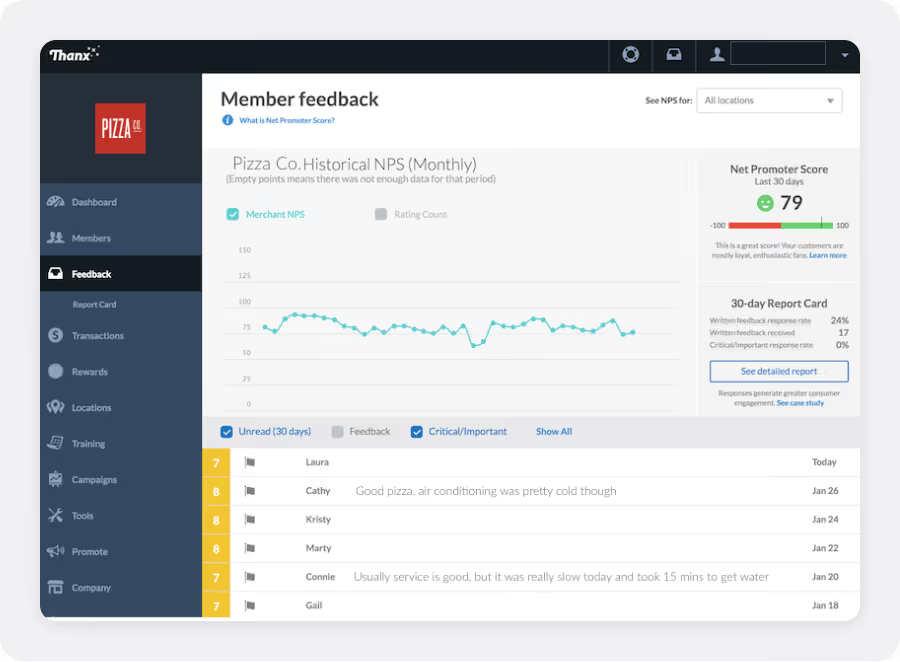
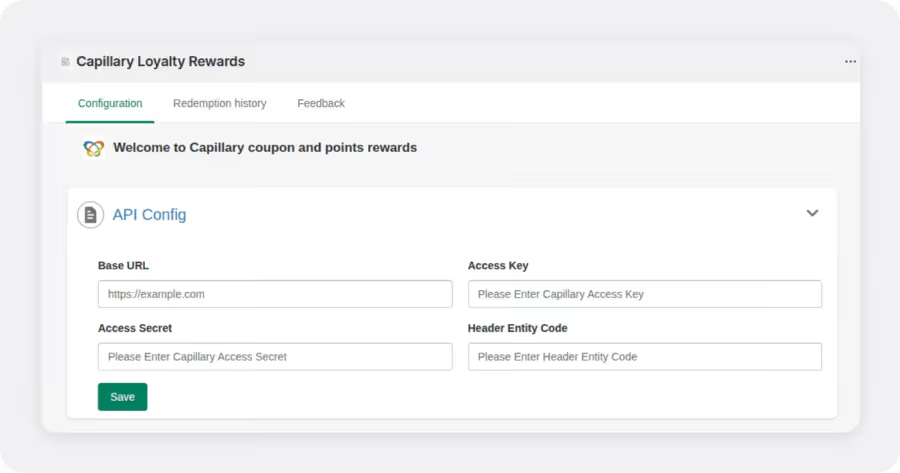
Capillary Loyalty+ is a loyalty platform used by larger QSR and fast-casual brands, especially across APAC and emerging global markets. It offers tools for AI-based segmentation and campaign targeting, helping teams build offers around customer behavior and purchase patterns.
The platform supports omnichannel execution, covering SMS, email, mobile wallets, web, and offline channels like kiosks. It also includes built-in gamification features, such as challenges and badges, though these tend to follow preset formats. Capillary is typically deployed as part of a broader suite that includes analytics and customer data tools.
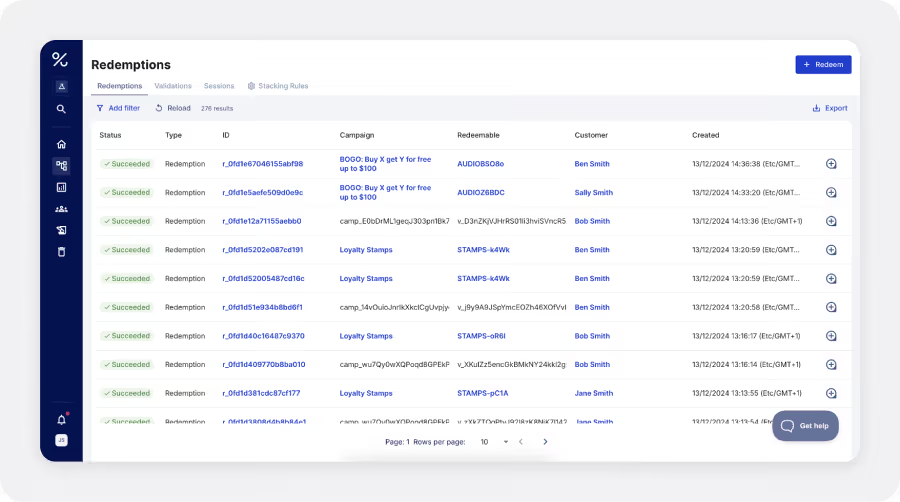
Voucherify is a loyalty and promotions platform built around an API-first model. It's typically used by QSR brands that have in-house technical teams and want full control over how loyalty is built into their apps, websites, or POS systems.
The software includes a flexible rules engine that supports a wide range of incentive types. Campaigns can be launched either through direct API calls or using a visual editor, depending on the team's setup. Pricing is usage-based, which can help align costs with actual program scale.
While the system is customizable, it's also fairly technical. Initial setup requires developer involvement, and features like gamification often need to be built or configured externally.
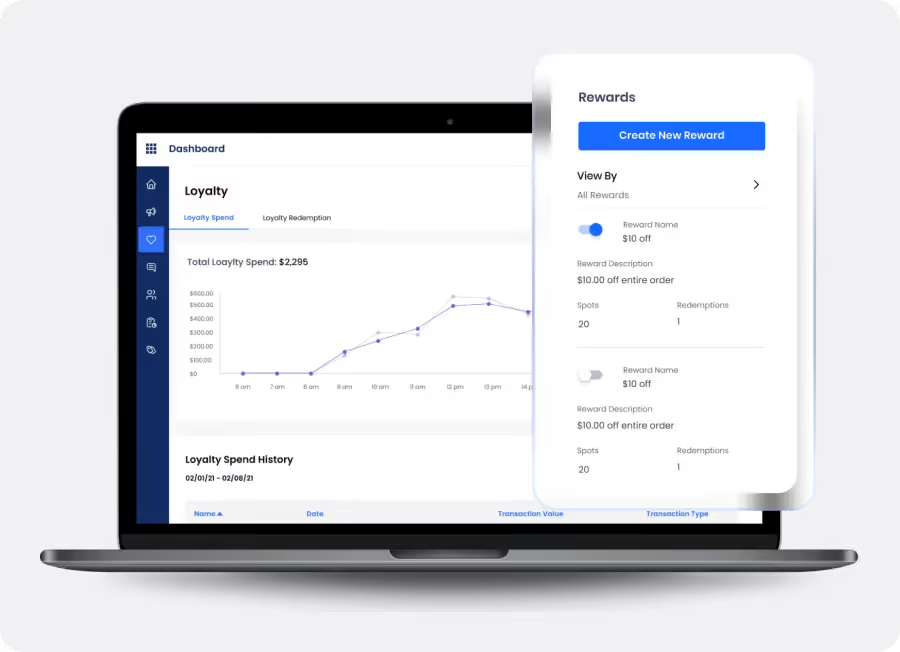
SpotOn Loyalty is a built-in module within its broader platform, which also includes POS, payments, and marketing tools. It's designed for quick setup, allowing customers to enroll with a phone number or through the GoTo Place app, with rewards applied automatically during checkout.
The system offers some pre-configured campaigns like birthday rewards and lapsed customer reminders, as well as basic tools for email and SMS outreach. Operators can track loyalty performance through a dashboard that shows redemptions and spend trends.
It's a good match for restaurants already using SpotOn hardware or services and looking for a simple loyalty setup. That said, its functionality tends to stay within standard parameters.
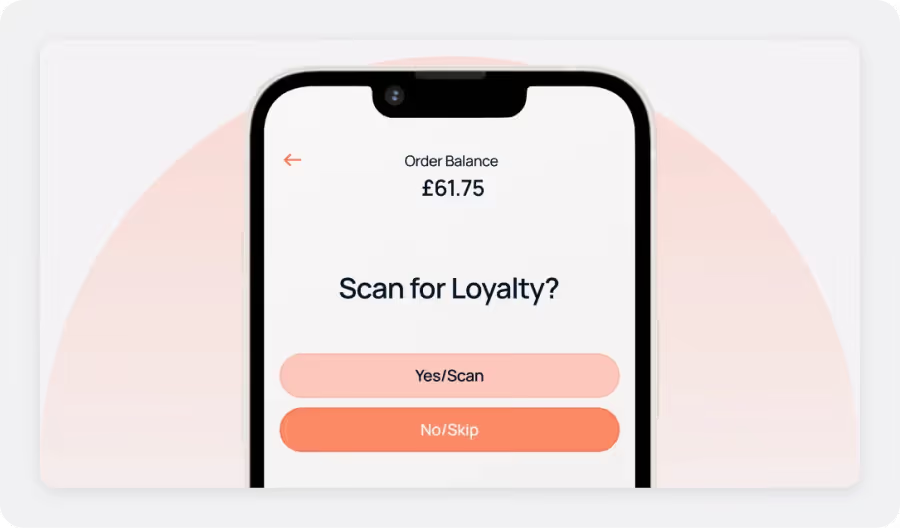
Pepper OS is a digital platform that combines loyalty, ordering, and payments into one system. Originally developed in the UK, it offers restaurants a branded mobile app and website where customers can place orders and earn rewards.
The loyalty component supports points, tiers, and basic behavior-based rewards like frequency or app engagement. Campaigns can be personalized using built-in segmentation tools, and activity is synced across web, in-app, and in-store channels.
The platform is suited for QSR and fast-casual brands that want a unified customer experience. It's more of a full-package solution than a modular one.
Choosing loyalty software comes down to how well it fits your restaurant's structure, goals, and digital setup. It's less about checking off features and more about understanding how the system works with your tech, your team, and your customers.
Below are the areas that usually shape the decision process for loyalty teams at quick-service restaurants.
Loyalty programs should feel connected to the brand they represent. That includes how rewards are earned, how progress is shown, and how the interface looks across mobile, web, and in-store channels.
A flexible system lets teams shape reward logic, tiers, and campaign formats around their own ideas, not someone else's defaults. It also helps when visuals and messaging can be tailored to match the tone of the restaurant, seasonal themes, or promotional needs.
Programs tend to perform better when they feel familiar to the customer and aligned with the dining experience. It usually requires software that can be adjusted as the brand grows or shifts focus. Systems with rigid formats can limit what loyalty teams are able to build or test over time.
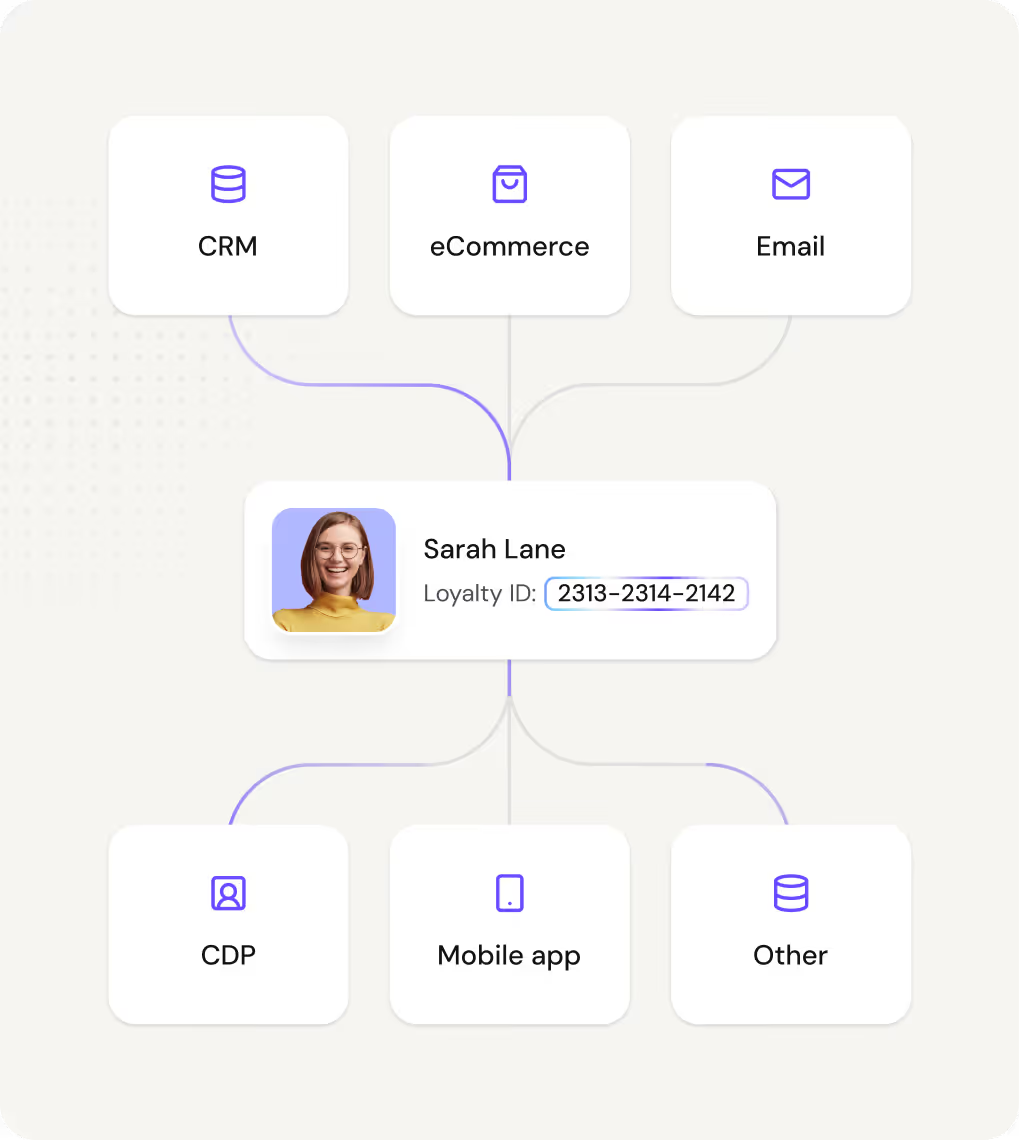
Loyalty software needs to work with the systems already in place. That includes POS terminals, mobile ordering tools, payment providers, and customer databases. When those links are in place, rewards apply smoothly, and customer data stays consistent across every channel.
Missing or weak integrations can lead to delays, mismatched records, or redemption issues at checkout. Before making a decision, check which systems must exchange data with loyalty software and how those links will be maintained during daily operations.
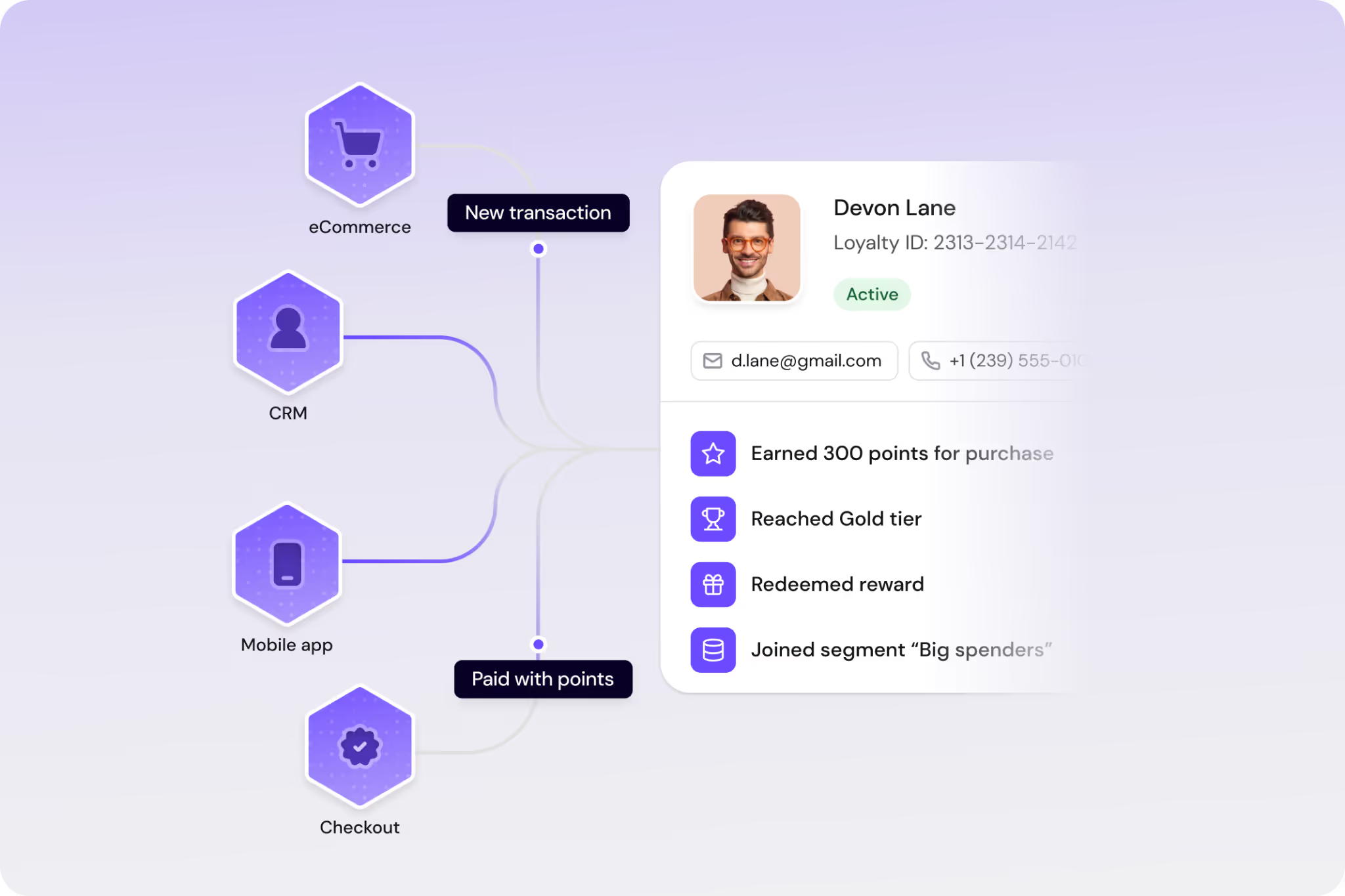
Guests place orders in different ways, through apps, websites, kiosks, or at the counter. Loyalty software needs to recognize those interactions and apply rewards without breaking the experience.
A reward earned through mobile ordering should still be redeemable in-store. The same account should work across locations, channels, and devices. Some systems handle this automatically, while others require setup to make everything work across touchpoints.
For QSRs, consistency matters. Programs that only function in one channel often leave gaps that confuse customers or create extra work for staff. A system built to handle all customer entry points helps keep things simple for both sides.
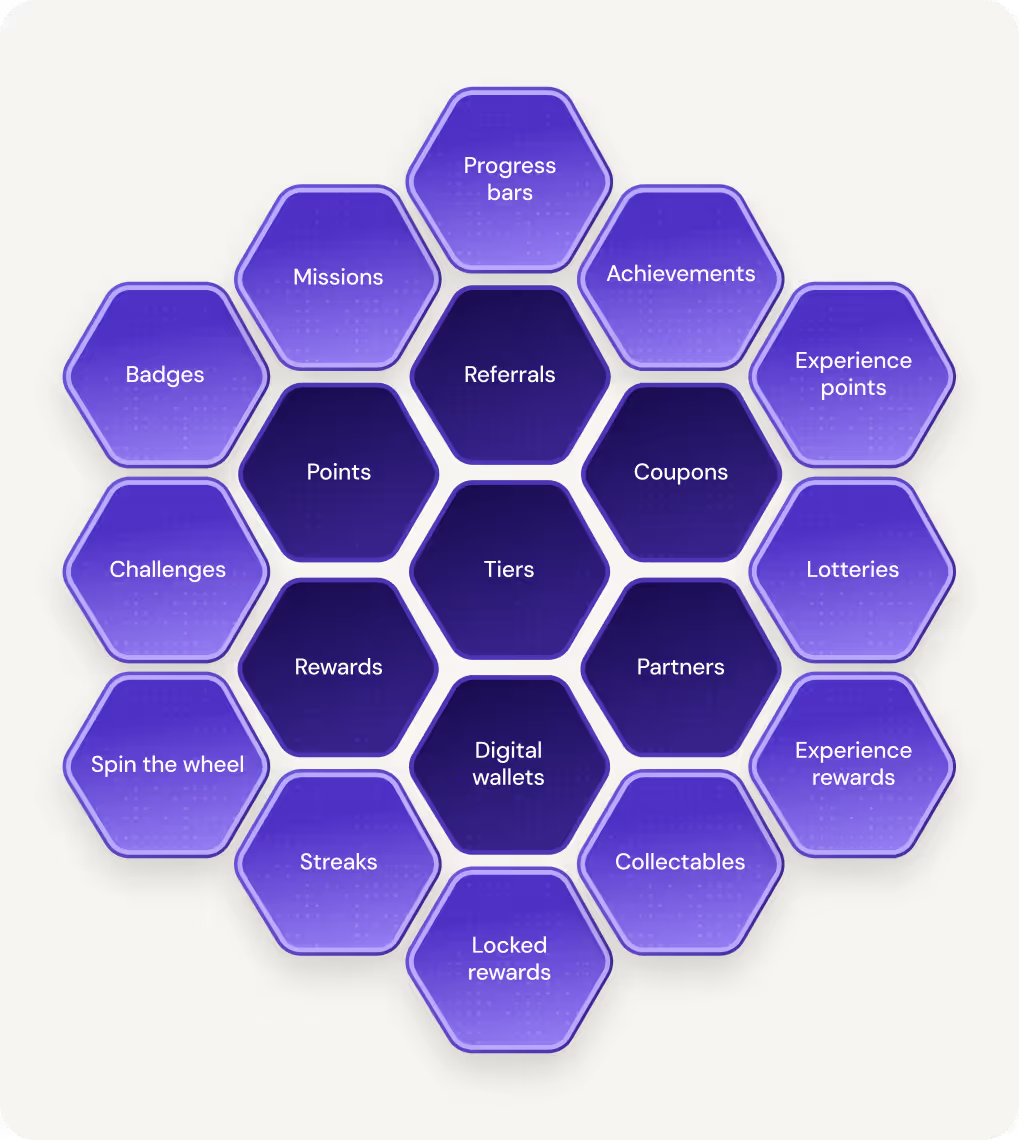
Points and discounts can drive repeat visits, but experiential rewards alone fall short in keeping customers engaged. Game-like elements, such as spin wheels, challenges, badges, or progress bars, add variety and encourage participation between purchases.
Features like milestone tracking, achievement-based, or exclusive rewards can help build habits and make the program feel more active. For QSRs, especially those targeting younger or mobile-first audiences, gamification can help keep the program visible and top-of-mind.
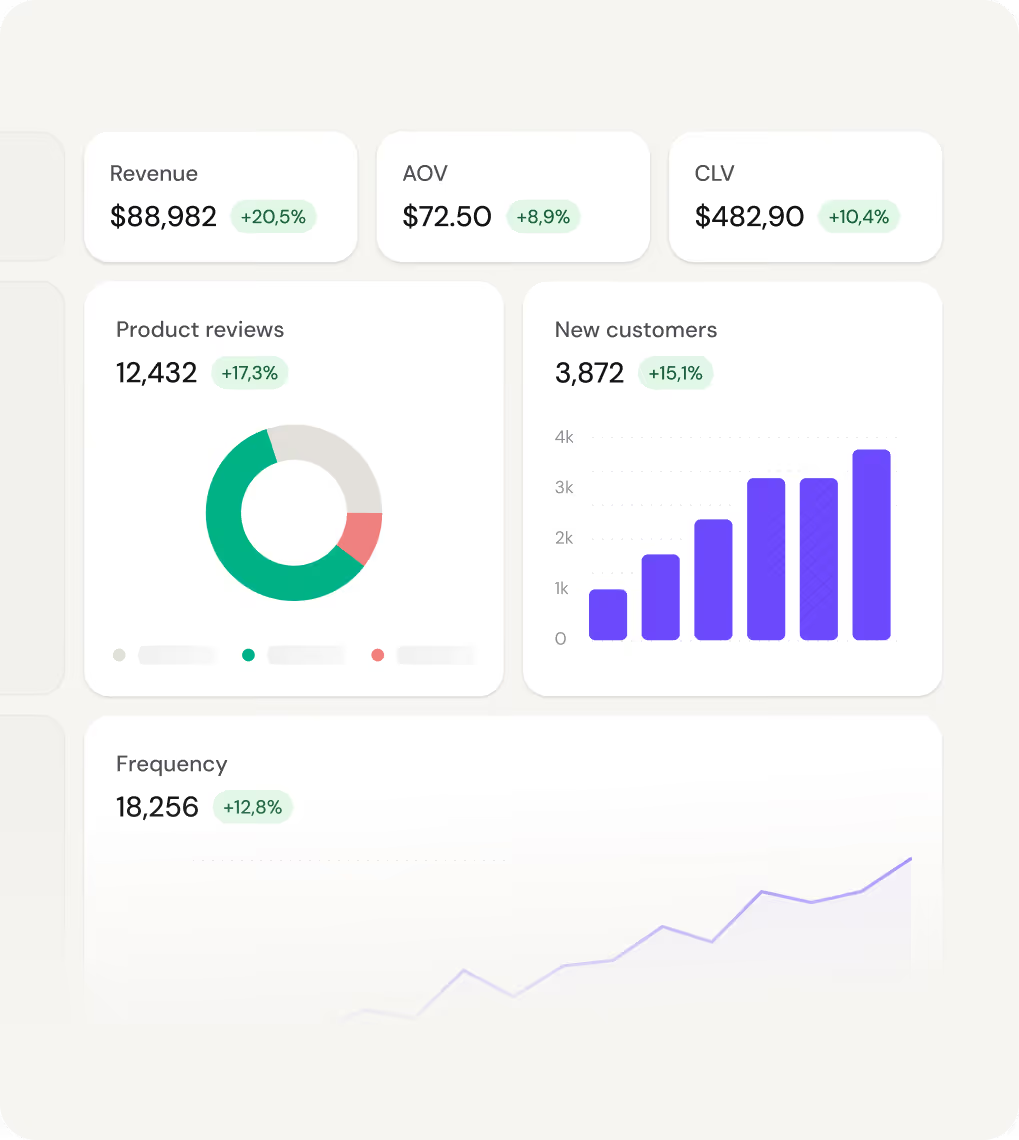
Loyalty programs are easier to manage when the data is clear. Your go-to platform should offer actionable insights into how customers engage, how often they return, and how much they spend over time.
Metrics like customer lifetime value (CLV), visit frequency, and redemption behavior help loyalty teams understand what's working and what needs to shift. Segmentation and behavioral data can also support smarter targeting.
When you have no visibility into outcomes, loyalty becomes harder to scale or defend in budget discussions. A system that tracks both participation and performance gives teams what they need to adjust campaigns with purpose.
💡 In practice, that means running a live demo and asking each provider how their system handles your specific needs. Pilot test features, check how it connects with your point-of-sale setup, and review what kind of support is available for training and day-to-day use. If you're preparing for vendor discussions, the loyalty program software RFP guide outlines the questions worth asking: technical and strategic.
Successful restaurant loyalty programs are shifting alongside customer behavior and loyalty technology. What worked a few years ago now feels outdated in many quick-service environments. In 2026, more QSR brands are investing in tools that allow them to personalize rewards, experiment with game mechanics, and respond faster to customer signals.
Take a look at the loyalty trends shaping how QSRs build and manage programs, covering product features, design patterns, and shifts in how teams approach engagement.
Mobile has become the primary environment for loyalty interactions in QSR. Customer expectations may be to track rewards, check progress, and redeem offers directly inside the ordering flow.
Programs that perform well tend to integrate loyalty into key app functions: check-in via QR code, in-app redemption during checkout, and real-time balance updates after each transaction. These touchpoints reduce friction and support repeat behavior, especially for high-frequency guests.
Loyalty teams focused on adoption are now designing around the app journey. Instead of pushing separate campaigns, they prioritize visibility and usability during everyday interactions, when orders are placed, offers are browsed, or receipts are reviewed. In mobile-first programs, rewards feel like a natural part of the experience rather than an afterthought.
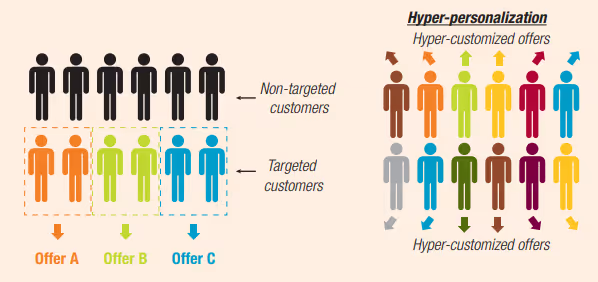
Many QSR loyalty teams are shifting away from broad promotions in favor of tailored, data-driven experiences. When you have access to first-party data and built-in AI, you can adjust rewards and offers based on guest preferences, visit history, and location.
Personalization now means aligning incentives with individual behavior, like offering free coffee to someone who visits every morning, or surfacing a lunch deal that reflects a customer's typical order.
Teams focused on performance tend to prioritize relevance over reach. When timing, channel, and offer all align, campaigns become easier to act on, and repeat visits follow.
💡 For a deeper dive into building this kind of approach, the personalization strategy guide breaks down how brands can continue the conversation between visits.
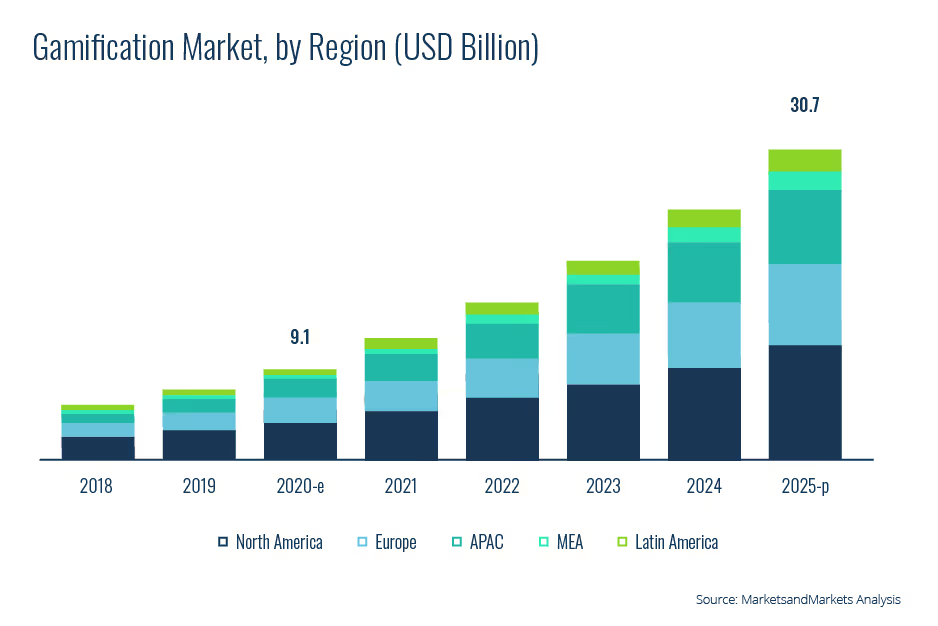
Loyalty programs in QSR are becoming more interactive. Game mechanics like missions, badges, countdowns, and challenges are showing up more often as tools to keep customers engaged between purchases.
These elements introduce a sense of progress and participation. Instead of relying only on spend-based rewards, programs can encourage actions like trying new menu items, visiting at off-peak hours, or completing a weekly streak. That variety helps keep the experience active.
For loyalty teams, gamification opens new design options. When structured well, it encourages repeat behavior and gives customers more reasons to return, without forcing the brand to lead with price.
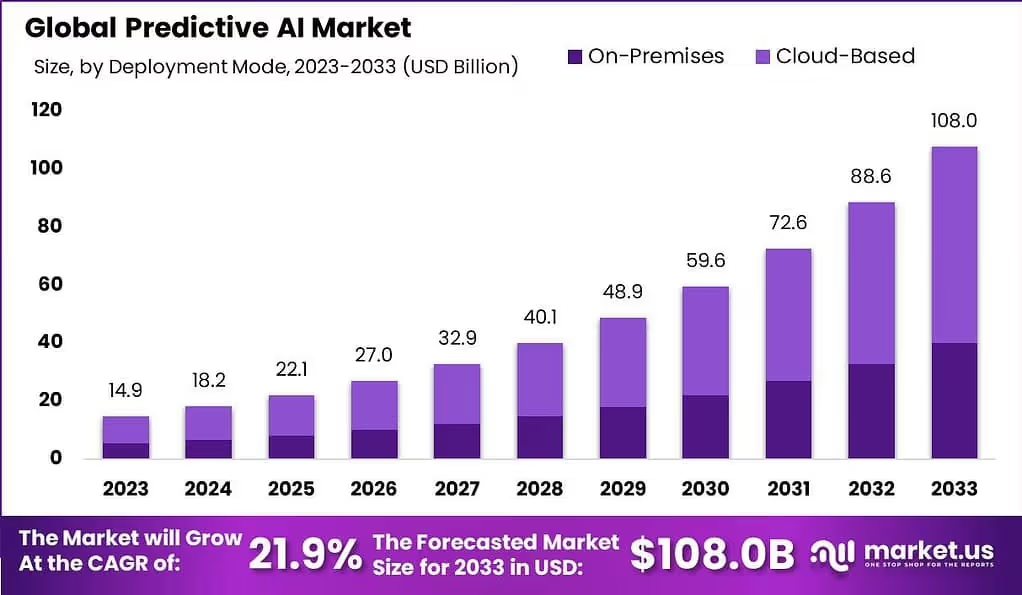
Loyalty platforms are increasingly using AI to guide offer targeting. Instead of broad campaigns, QSRs are training models to recommend what each guest is most likely to respond to, based on real transactions, not assumptions.
These systems evaluate behavior over time and suggest timely, personalized rewards. A regular lunch visitor might receive a weekday combo prompt, while a family placing weekly delivery orders could be nudged with a free add-on. The offer logic adapts in real time, based on patterns and preferences.
Teams using AI in this way tend to rely less on manual segmentation. Campaigns become more adaptive, with reward timing and content shaped by actual customer behavior across channels.
Tier-based and paid loyalty programs are gaining traction in QSR. Inspired in part by large-scale models, more brands are exploring structured reward levels or monthly memberships that unlock perks over time.
Higher tiers often come with faster point accrual, early access to promotions, or exclusive menu items. Subscriptions may offer benefits like free delivery, priority ordering, or member-only discounts. These formats create clearer incentives for repeat behavior and give loyal guests something to build toward.
Loyalty teams experimenting in this space tend to look closely at participation thresholds and reward pacing. The idea here is to keep high-frequency guests active while creating a path for others to increase visits gradually.
💡 For a closer look at where loyalty is heading, the Loyalty Program Trends report breaks down the patterns shaping how programs are built and measured.
It depends on your restaurant's size and needs. For enterprise chains, Open Loyalty and SessionM are top-tier choices due to their scalability and analytics.
Smaller restaurants might prefer POS-integrated options for ease of use. The "best" platform will match your tech stack and loyalty goals rather than any single metric.
Loyalty software boosts retention by making rewards convenient and engaging. Digital programs let loyalty members earn points automatically via apps or cards, making them more likely to spend and visit again. Many programs use personalized mobile offers and gamified challenges that keep diners coming back.
Open Loyalty is designed for flexibility, but it's often used by larger brands. Small restaurants sometimes find simpler solutions more cost-effective. However, Open Loyalty can scale down: its modular, API-driven approach means you can start simple (points, tiers) and add features as you grow. Evaluate if you need enterprise-level features or a lighter solution based on your budget and customer base.
Many loyalty platforms offer native or API-based integrations with common restaurant systems. Review how the platform connects with your POS, payment gateway, CRM, and online ordering tools to avoid manual processes and data gaps.
White-label apps offer a branded experience with prebuilt features, usually designed for quick deployment.
Modular loyalty engines like Open Loyalty give restaurants control over loyalty logic, integration, and design. These systems are preferred by brands with in-house teams or agencies managing digital infrastructure.
QSR loyalty programs are structured reward systems used by quick service restaurants to encourage repeat visits and build long-term customer relationships. These programs often reward purchases with points, discounts, or exclusive perks, helping brands increase customer retention by making every transaction part of a larger journey.
Restaurant loyalty software tracks visit frequency, customer behavior, and reward activity across in-store and online ordering channels. All in all, it makes it easier for marketing teams to identify loyal customers, send targeted offers, and create promotions that reward consistent behavior.
A strong loyalty system should offer real-time rewards redemption, birthday rewards, tiered incentives, and integrations with a mobile app. These features keep customers engaged between visits and allow loyalty members to earn and redeem rewards with minimal friction.
Loyalty platforms collect and analyze customer data such as order history, visit frequency, and channel preferences. Such data helps brands create personalized campaigns, segment loyalty program members, and understand what drives repeat visits and higher customer lifetime value.
Yes, mobile apps are now a core component of the best restaurant loyalty programs. They allow loyalty members to check their points, earn rewards, and redeem offers instantly.
Apps also support online ordering, digital check-ins, and location-based offers, all of which boost participation and repeat purchases.
Rewards that encourage repeat visits include free food, bonus points after a set number of purchases, birthday rewards, and time-limited offers. Incentives keep loyalty members engaged and give them clear reasons to return.
Restaurant loyalty software helps track CLV by measuring how long a customer stays active, how much they spend, and how often they return.
By using this data to segment audiences and deliver relevant rewards, brands can improve engagement and extend the customer lifecycle.
Modern and successful loyalty program software supports multi-location loyalty management through centralized dashboards, real-time reporting, and POS integrations. Brands can create consistent loyalty experiences across stores while adjusting promotions based on local customer behavior and visit frequency.
A successful QSR rewards program is one that's easy to join, simple to use, and closely tied to customer habits. Successful programs also give rewards members reasons to participate beyond discounts, such as early access to new items or limited offers. Programs that let customers earn rewards through mobile orders, in-store purchases, or kiosks and redeem rewards instantly tend to see higher engagement and stronger results.
Yes, some brands choose to build custom loyalty platforms using API-based solutions. You can have more control over how rewards are earned and redeemed, how valuable customer data is managed, and how the loyalty experience integrates into apps, websites, and POS systems.
Quick-service restaurants rely on defined ordering flows, connected systems, and fast-moving teams. Loyalty software needs to fit into that environment. It should support existing operations rather than require workarounds or major changes.
When rewards apply across every channel, when campaigns are manageable, and when performance data connects directly to customer activity, teams gain more control over how loyalty functions day to day.
A good match comes from looking at how the platform integrates, how easily it can adapt to your structure, and how it helps your team stay focused on outcomes that matter.

API-first loyalty and gamification engine

Get a weekly dose of actionable tips on how to build and grow gamified successful loyalty programs!